 Budowle.pl


Shwedagon Pagoda: Golden Temple in Yangon, Burma (Myanmar)
Shwedagon Pagoda (pagoda) is located in Yangon (Myanmar).
Where is Shwedagon Pagoda?
Address of Shwedagon Pagody is Singuttara Hill, Yangon, Mjanma
show on map
When did construction finish on Shwedagon Pagoda?
The construction date of Shwedagon Pagody is Over 2,500-2,600 years ago

Facts, information and history of Shwedagon Pagody
Shwedagon Pagoda, also known as Shwedagon Paya, is a Buddhist stupa located in Yangon, Myanmar (Burma). Considered one of the most important and holiest Buddhist sites in the world, the Shwedagon is not just a structure but a temple complex that has fascinated pilgrims and tourists for centuries. Its golden glow towers over the city, and its rich history and spiritual significance make it the heart of Burmese culture.
History of Shwedagon Pagoda
Origins and Legends
The history of Shwedagon Pagoda is shrouded in legends, dating back over 2,500 years. According to the lore, two brothers, Tapussa and Bhallika, met the Buddha and received eight hairs from him. Upon returning to Burma, the brothers went to King Okkalapa to help them find a proper place to enshrine the Buddha's relics.
After a long search, the king discovered Singuttara Hill, where relics of three previous Buddhas had already been enshrined. It was on this hill—now the site of the Shwedagon—that they decided to build a stupa worthy of housing the Buddha’s hairs. It is said that the eight Buddha hairs were secured at the spot where the golden Shwedagon now stands, making it the holiest part of the entire complex.
Development Through the Ages
Over the centuries, Shwedagon Pagoda was expanded and embellished by successive Burmese rulers. Initially a smaller structure, it eventually evolved into an impressive stupa covered in pure gold. It was built 2,500 years ago. Each ruler wanted to leave a legacy by donating treasures and expanding the complex with smaller shrines and other elements.
Singuttara Hill, where the Shwedagon stands, became a religious center attracting monks and pilgrims from distant lands. The temple’s importance grew, and the legend of the eight Buddha hairs drew increasing numbers of devotees. Five centuries ago, the stupa began to be covered with gold, giving it its current, distinctive appearance. Even today, Burmese people revere this sacred site.
Importance in Burmese Culture
Shwedagon Pagoda is not only a religious structure but the heart of Burmese culture. It is a symbol of Buddhism and Myanmar’s national identity. Locals believe that visiting the Shwedagon brings good fortune and prosperity. The structure dominates the landscape of Yangon, majestically rising atop a hill.
Shwedagon is also the site of major religious and cultural ceremonies, where Burmese people gather to pay homage to the Buddha and celebrate important festivals. The area around the stupa radiates peace and spirituality, making it deeply meaningful for every Burmese person. Additionally, many monks and pilgrims can be seen near Sule Paya, in the vicinity.
Architecture and Design of the Pagoda
Architectural Style
The architecture of Shwedagon Pagoda represents the quintessence of Burmese style, blending local traditions with Buddhist influences. This style is characterized by harmonious proportions, rich ornamentation, and the use of precious materials such as gold and gemstones.
The stupa itself, the central element of the complex, rises majestically toward the sky, surrounded by numerous smaller shrines and pavilions. Each element of the Shwedagon’s architecture holds significance and reflects the deep beliefs of the Burmese people. The hill on which Shwedagon Paya stands is said to hold special meaning in Burmese mythology, reinforcing the site’s sacred character.
Locals believe that the architecture and design of Shwedagon Pagoda represent the cosmos and the spiritual path to enlightenment. Every detail, from the shape of the dome to the ornamentation, has been carefully thought out to create a harmonious whole that inspires and delights.
Architectural Data and Dimensions
Shwedagon Pagoda impresses with its dimensions. The structure’s height ranges from approximately 99 to 112 meters (sources vary slightly), the base circumference is about 433 meters, and its age is traditionally estimated at 2,500 years. The central stupa is crowned with a solid gold htee, consisting of 10 parts and adorned with thousands of diamonds and other precious stones. The Shwedagon complex also includes many smaller shrines, pavilions, and Buddha statues arranged around the main stupa.
All these elements form a vast and diverse space that invites reflection and contemplation. The structure is remarkably durable, demonstrating the skill of ancient Burmese engineers. Shwedagon Paya is not only an impressive building but also a testament to Myanmar's rich history and culture.
Symbolism of Elements
Every element of the Shwedagon Pagoda has its symbolism and reflects Buddhist beliefs. Gold symbolizes purity and enlightenment; diamonds and precious stones represent spiritual wealth and perfection. The shape of the stupa evokes Mount Meru, the center of the universe in Buddhist cosmology, and the numerous Buddha statues represent various aspects of Buddhism and the spiritual path.
Singuttara Hill is also a metaphor for rising above the mundane and attaining higher states of consciousness. Even nearby Sule Paya holds significance in the context of the entire temple complex. Pilgrims often pray and make offerings at the various elements of Shwedagon, believing in their power and meaning.
Materials and Construction Techniques
A variety of materials were used to build Shwedagon Pagoda, including brick, stone, and wood. However, the most important material is gold, which covers the entire stupa. The construction techniques used over the centuries are impressive, especially considering the stupa was built across many generations.
The Burmese employed traditional methods and tools to create this monumental structure. It is still astonishing how they managed to erect such a tall and stable stupa. Each ruler contributed their own treasures. The structure itself contains relics of the Buddha. Ancient monks ensured that traditions and precision were upheld in every detail. Shwedagon Paya is not only a masterpiece of architecture but also a testament to the skill and determination of ancient Burmese builders.
Significance of Shwedagon Pagoda for Yangon and Myanmar
Role in Religious Life
Shwedagon Pagoda is undoubtedly the religious heart of Yangon and all of Myanmar. For Buddhists, it is the holiest site where the Buddha’s relics, including eight hairs, are enshrined. Every day, pilgrims come to the temple to pay homage to the Buddha and pray for good fortune. Monks play a key role in maintaining the rituals and educating the faithful.
Every Burmese person believes that visiting this temple brings happiness and purification. This makes the temple a central point of spiritual life in Myanmar. Locals believe that the aura of peace and spirituality surrounding the stupa has transformative power. Shwedagon Paya is not only a structure but also a space where the faithful can deepen their beliefs and practice Buddhism.
Tourism and Economy
Shwedagon Pagoda is a key driver of Myanmar’s tourism and economy. Thousands of tourists from around the world come to Yangon to see this impressive structure covered in pure gold. Singuttara Hill, where Shwedagon Paya is located, is a tourist destination.
This, in turn, generates income for local businesses, hotels, and restaurants. Shwedagon is a showcase of Myanmar. Selling souvenirs related to the temple and Buddhism is also an important source of income for many families. Shwedagon Pagoda is not only a spiritual center but also a vital part of the country's economy. Thanks to its 2,500-year-old history, it attracts crowds of visitors. Locals benefit from having such a sacred building. Religious tourism is an essential element of Myanmar’s economy.
Events and Festivals
Shwedagon Pagoda is the venue for many important religious events and festivals throughout the year. During full moon days, ceremonies are held that attract crowds of believers. At these times, Burmese people gather to pray, make offerings, and participate in processions. Festivals are a time to celebrate and express faith.
During such events, pilgrims from all over Myanmar arrive at Shwedagon. The lighting and decorations during these festivals make Shwedagon Paya look even more spectacular. This demonstrates how important the temple is to Burmese culture and tradition. Monks play a crucial role in organizing these events. Shwedagon Paya is a religious and cultural center that unites the Burmese people.
International Recognition and UNESCO Candidacy
Shwedagon Pagoda has been on UNESCO’s Tentative List since 2014 as a candidate for World Heritage designation. Myanmar’s Ministry of Culture plans to officially nominate the temple complex for full UNESCO recognition once the process for Bagan is complete.
The pagoda has been acknowledged as an outstanding example of Buddhist architecture, blending local traditions with Asian influences. Its 112-meter gilded stupa, along with the relics of Gautama Buddha, represents exceptional cultural and spiritual value. Potential recognition by UNESCO would underscore the international importance of this sacred site as an icon of Burmese cultural heritage.
Shwedagon Pagoda in Popular Culture
Films and Documentaries
Shwedagon Pagoda has appeared in several notable film productions. The most famous is “The Lady” (2011) directed by Luc Besson, starring Michelle Yeoh as Aung San Suu Kyi. In the film, the pagoda serves as a significant backdrop for events related to the Burmese democratic movement.
The temple complex has also been featured in numerous documentaries, including "They Call It Myanmar: Lifting the Curtain," which depicts contemporary life in Myanmar. The pagoda often appears in films about Buddhism and Southeast Asian culture as a symbol of spirituality and tradition.
Literature and Academic Publications
Shwedagon Pagoda has been the subject of many scholarly and literary publications. One of the earliest significant works was T.H. Biggs’s book "The Shwedagon Pagoda" from 1895, which remains an important historical source.
Contemporary studies include analyses of Burmese belief systems associated with the pagoda, as well as its role in political and social movements. The temple complex is also featured in numerous travel guides and publications on Buddhist architecture.
Fascinating Facts and Mysteries
Extraordinary Facts About the Structure
Shwedagon Pagoda hides many fascinating secrets:
- the stupa contains over 5,000 diamonds and 2,000 rubies, and its pinnacle is topped with a 76-carat diamond,
- the gold covering the pagoda weighs approximately 60 tons,
- the complex has its own drainage system to protect against monsoons,
- beneath the pagoda lie mysterious tunnels and chambers whose full purpose remains unknown.
Legends and Mystical Tales
Burmese people believe that the pagoda possesses mystical powers. According to local legends, the site is protected by guardian spirits called "nat." Some say they’ve heard mysterious bell sounds at night, even when no bell was moved by the wind.
There’s also a belief that the pagoda can predict the future—according to tradition, changes in bird behavior around the stupa signal significant political events in the country.
Unusual Phenomena
Over the centuries, several unusual phenomena have been observed at the pagoda:
- the golden surface of the stupa never loses its shine, despite harsh weather conditions,
- the local temperature around the pagoda is typically a few degrees lower than in other parts of the city,
- birds avoid landing directly on the top of the stupa, which locals interpret as a sign of respect for the sacred site.
Visitor Tips
How to Prepare for a Visit
When preparing to visit Shwedagon Pagoda, it’s important to keep several key aspects in mind:
- appropriate clothing – covering shoulders and knees, as it is a Buddhist temple,
- footwear – shoes and socks must be removed before entering the complex,
- sun protection – bring water and a head covering,
- camera – to capture the beauty of this holiest place,
- historical knowledge – it’s worth learning the history before your visit.
Remember, this is a temple, not just a tourist attraction.
Etiquette and Behavior Rules
During your visit to Shwedagon Pagoda, certain etiquette rules must be followed. Quiet behavior is required—avoid loud conversations, do not touch Buddha statues or religious objects. It’s important not to point fingers at Buddha statues or monks, avoid using flash photography, and women should not touch monks.
Shwedagon is a sacred building, so visitors should behave with dignity. It was built 2,500 years ago and is the holiest place for every believer.
Best Time to Visit
The best time to visit Shwedagon Pagoda is from November to February, when the weather is dry and cooler. During this time, temperatures are more bearable and humidity is lower. It’s advisable to visit in the morning or late afternoon to avoid the heat and crowds.
It’s also a great idea to plan your visit during one of the Buddhist holidays or festivals to experience the authentic atmosphere of this place. Shwedagon is the holiest site, so it’s worth visiting year-round. Shwedagon Paya is located on Singuttara Hill, and for Burmese people, it is the most important place of all.
How tall is Shwedagon Pagoda?
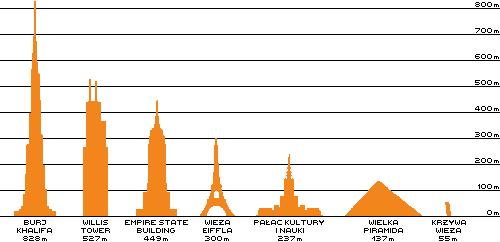
Height of Shwedagon Pagody is Body height: 99 m
Height with hti umbrella: 112 m

Construction/building type
Building Shwedagon Pagoda is of type Pagoda
Architectural style
Architectural style of Shwedagon Pagody is Buddhist architecture
Other dimensions, parameters and frequently asked questions

What is the area of Shwedagon Pagoda?
Shwedagon Pagoda covers an area of Approximately 46.3 ha
What material is the building made of?
Shwedagon Pagoda is made of the following materials: Brick, gold, jewels
Practical information

How much is admission to Shwedagon Pagoda?
Tickets for Shwedagon Pagoda are available at the following prices and variants:
Fee for foreign tourists: approximately USD 8.
Additional optional guide approx. USD 5.
What are the opening hours of Shwedagon Pagoda?
Shwedagon Pagoda is open or accessible to the public on the following dates and times:
- Daily: 4:00-22:00, last entry around 21:45-21:50.
- Tickets for foreigners from 6:00.
- Open 24 hours during selected religious holidays.
Other names
The building is also known by other common names or in the original language, i.e. Shwedagon Zedi Daw, Great Dagon Pagoda
Questions and answers
How much is the entrance fee to Shwedagon Pagoda?
The entrance fee for foreign tourists is around 10,000 kyats (approximately 5–8 USD). Myanmar citizens can enter free of charge.
Can you take photos inside the pagoda?
Yes, photography is allowed, but without using flash and with respect for people who are praying.
What are the opening hours of the pagoda?
Shwedagon Pagoda is open daily from around 4:00 AM to 10:00 PM. It looks most beautiful at sunrise and sunset.
Is there a dress code?
Yes, shoulders and knees must be covered. You are also required to remove your shoes and socks before entering the temple grounds.
How much time do you need for sightseeing?
To calmly explore the entire complex, it’s worth reserving at least 2–3 hours.
Can you visit the pagoda during rain?
Yes, but keep in mind that the grounds can become slippery. The marble floors become very slick when wet.
Where is the best place to stay in Yangon?
There are many hotels of various categories near the pagoda. It’s best to choose accommodation in the Bahan district or the city center.
Are there guides available at the pagoda?
Yes, local guides speaking various languages, including English, are available. You can also use audio guides.


Photo gallery


Location on map / How to get there
Find accommodation nearby
Weather nearby

Rent a car nearby

Author

Author: Redakcja Budowle.pl
Pasjonat architektury, właściciel portalu Budowle.pl
Date added: 05/08/2025 Last updated: 05/08/2025 Number of views : 4808


Comments to Shwedagon Pagoda (1) Average rating: 5,0
Based on 1 comment