Pilchowice Dam
Pilchowice, Poland

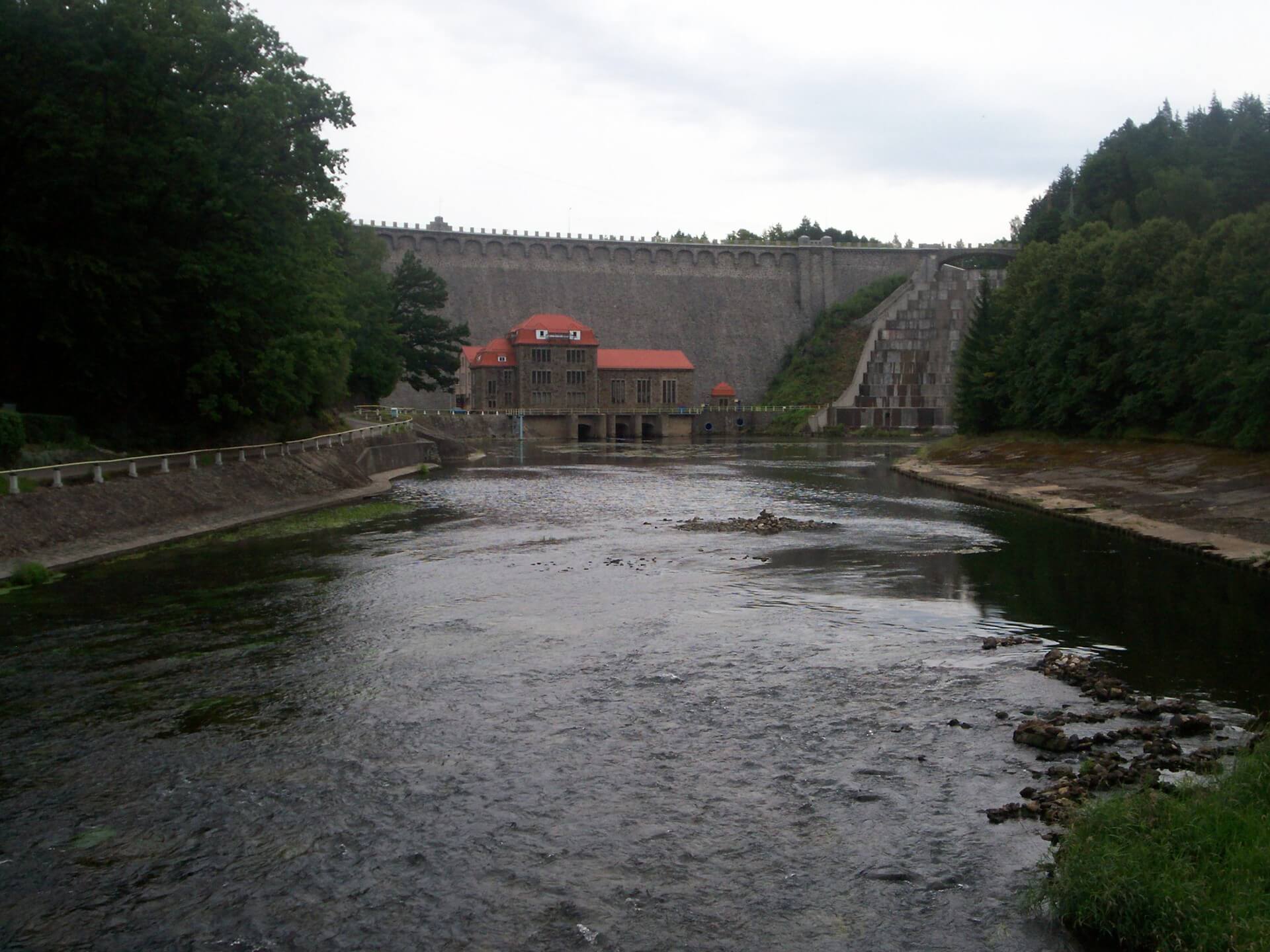
Pilchowice Dam - second tallest dam in Poland

Where is located Pilchowice Dam?

Address of Pilchowice Dam is Pilchowice near Jelenia Góra, Bóbr River, Dolnośląskie, Poland
show on map

When was built Pilchowice Dam?

Built date of Pilchowice Dam is 1921 - date of opening
Pilchowice Dam

Facts, informations and history of Pilchowice Dam

The Pilchowice Dam is one of the most impressive hydrotechnical structures in Poland, standing out both historically and technically. Located in Lower Silesia, it is a fascinating example of innovative architecture and hydraulic engineering that has stood the test of time. This dam, built in the early 20th century by the Germans, has become a key element in managing the waters of the Bóbr River and preventing floods in the region. In this article, we will present the most important information, facts and curiosities about this extraordinary work of human hands.


History and creation of the Pilchowice Dam

At the beginning of the 20th century, Lower Silesia was struggling with the problem of recurring floods that brought with them devastation and destruction. In response to these problems, the German authorities decided to build a system of dams on the Bóbr River, which aimed to control the flow of water and protect local communities. In 1908, a decision was made to build the Pilchowice Dam, which was to become part of a larger Bóbr regulation project that also included other dams, such as Leśna and Wrzeszczyńska.

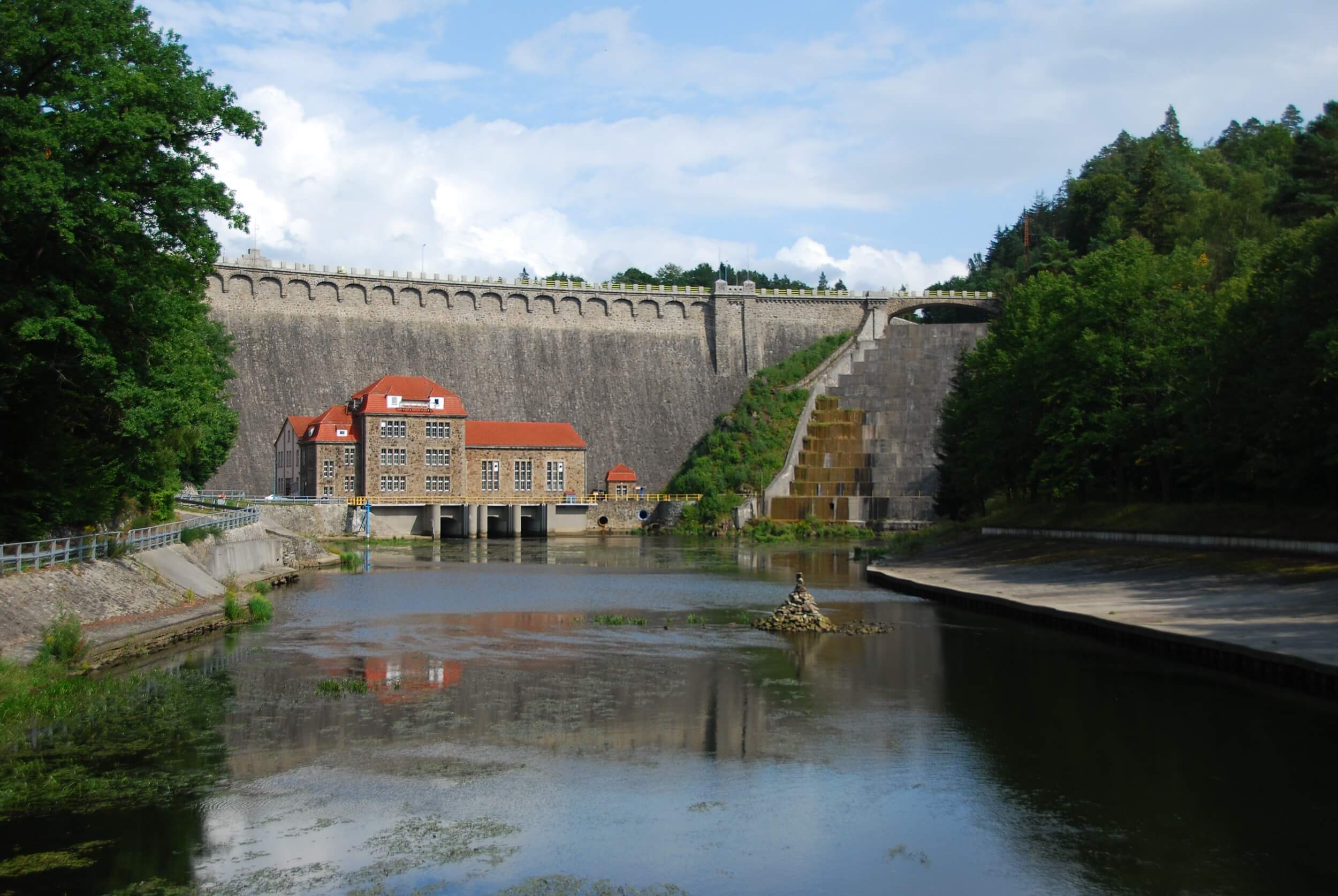
The construction of the Pilchowice Dam began in 1908 and lasted until 1912. The dam was built of stones joined with concrete, which was a modern technological solution at the time. The materials used for the construction were carefully selected and transported to the construction site from nearby quarries. The Pilchowice Dam is the second highest in Poland - its height is as much as 62 meters, making it one of the highest structures of this type in the country. Another interesting fact is that it is the highest stone dam in Poland and one of the few arch dams, which makes it unique not only in Poland but also in Europe.


Architecture and technical solutions used in the dam

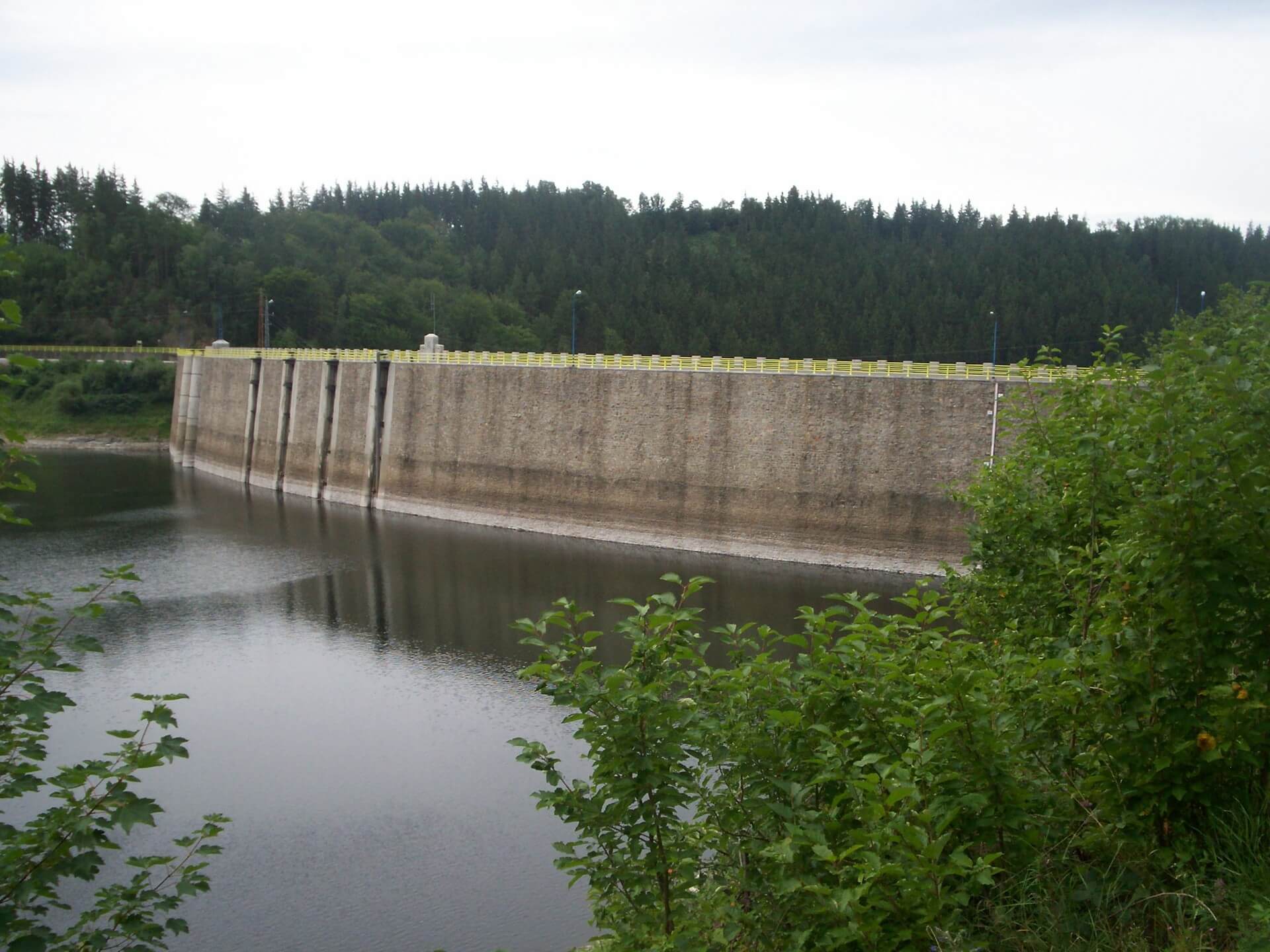
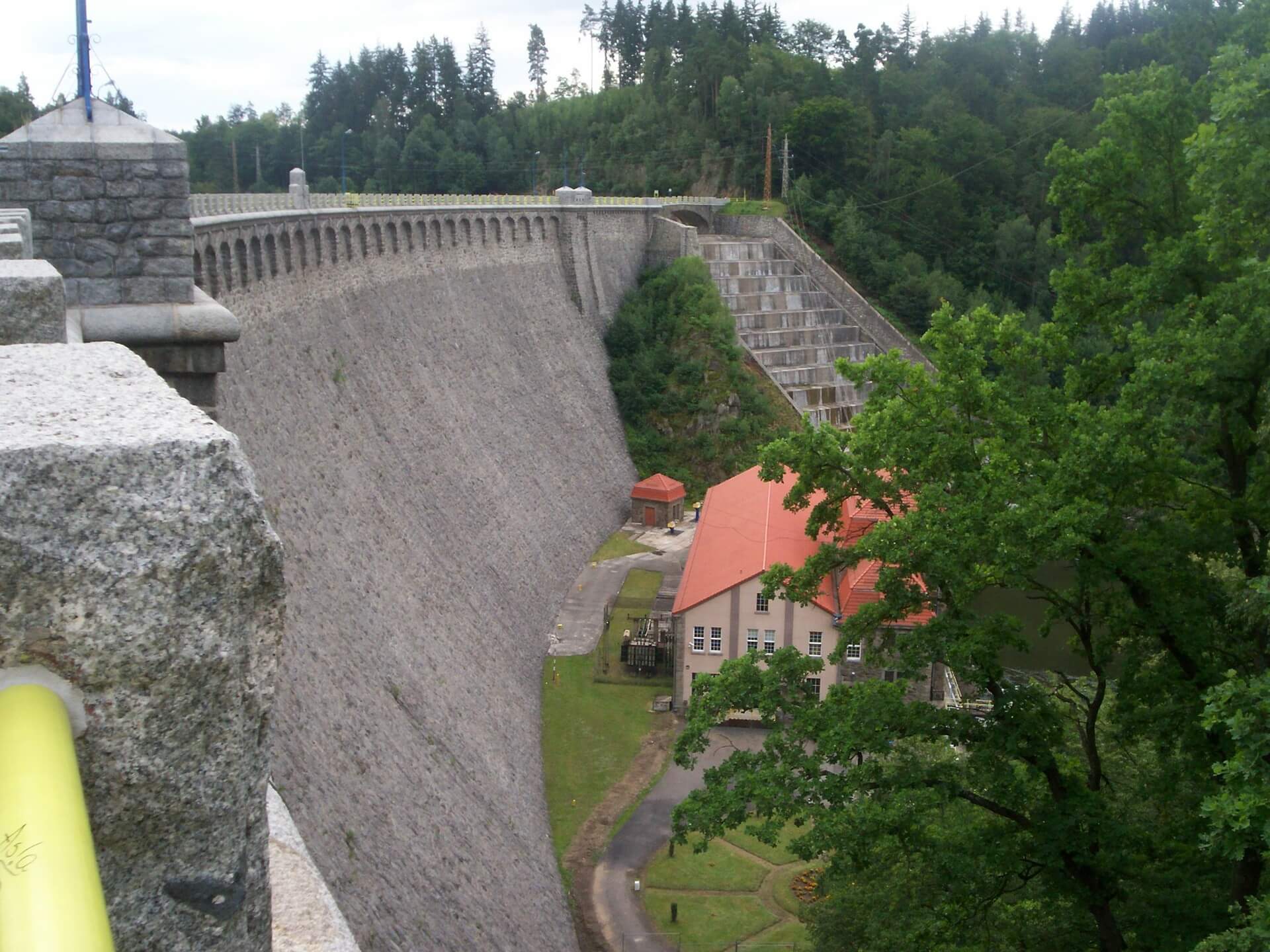
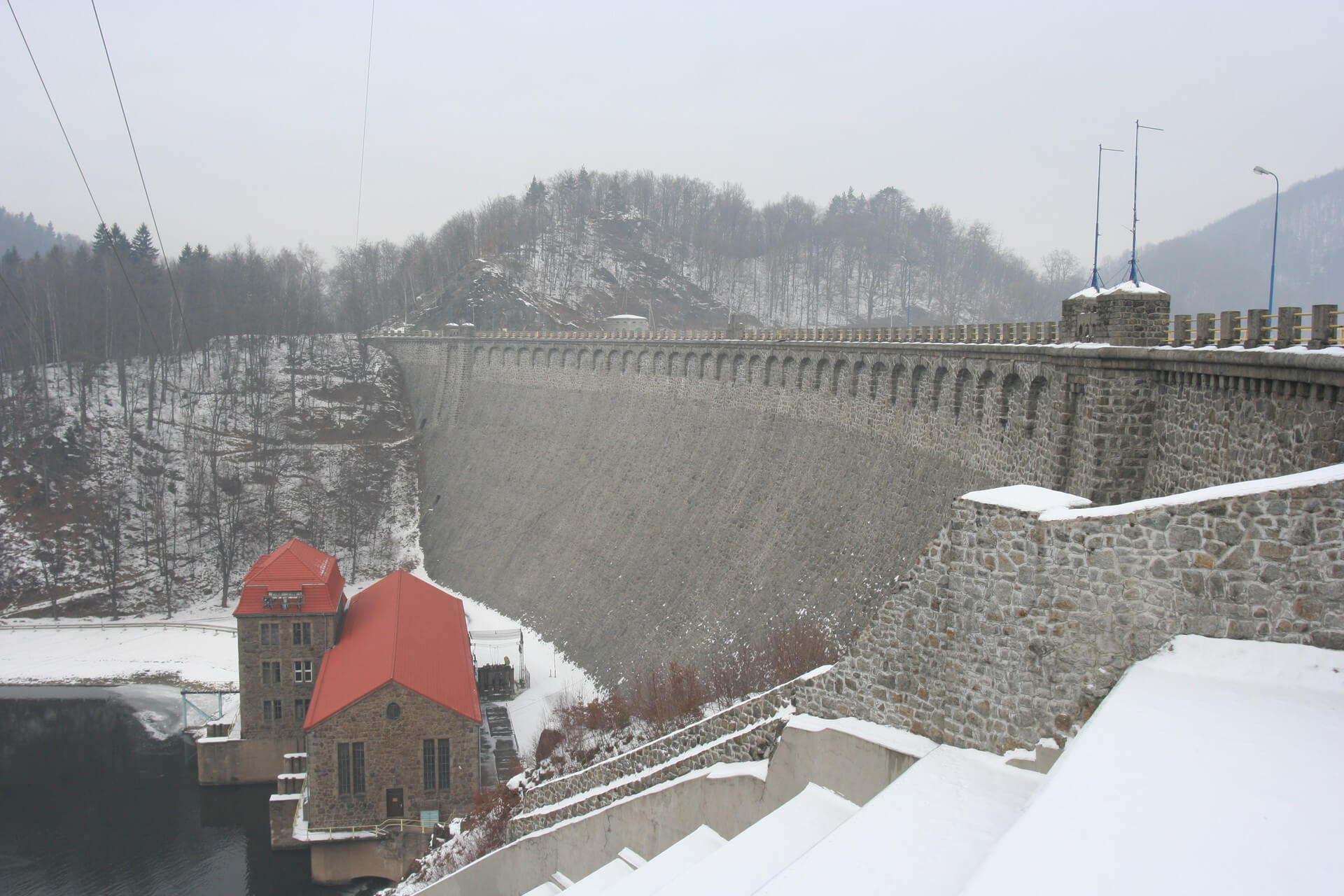
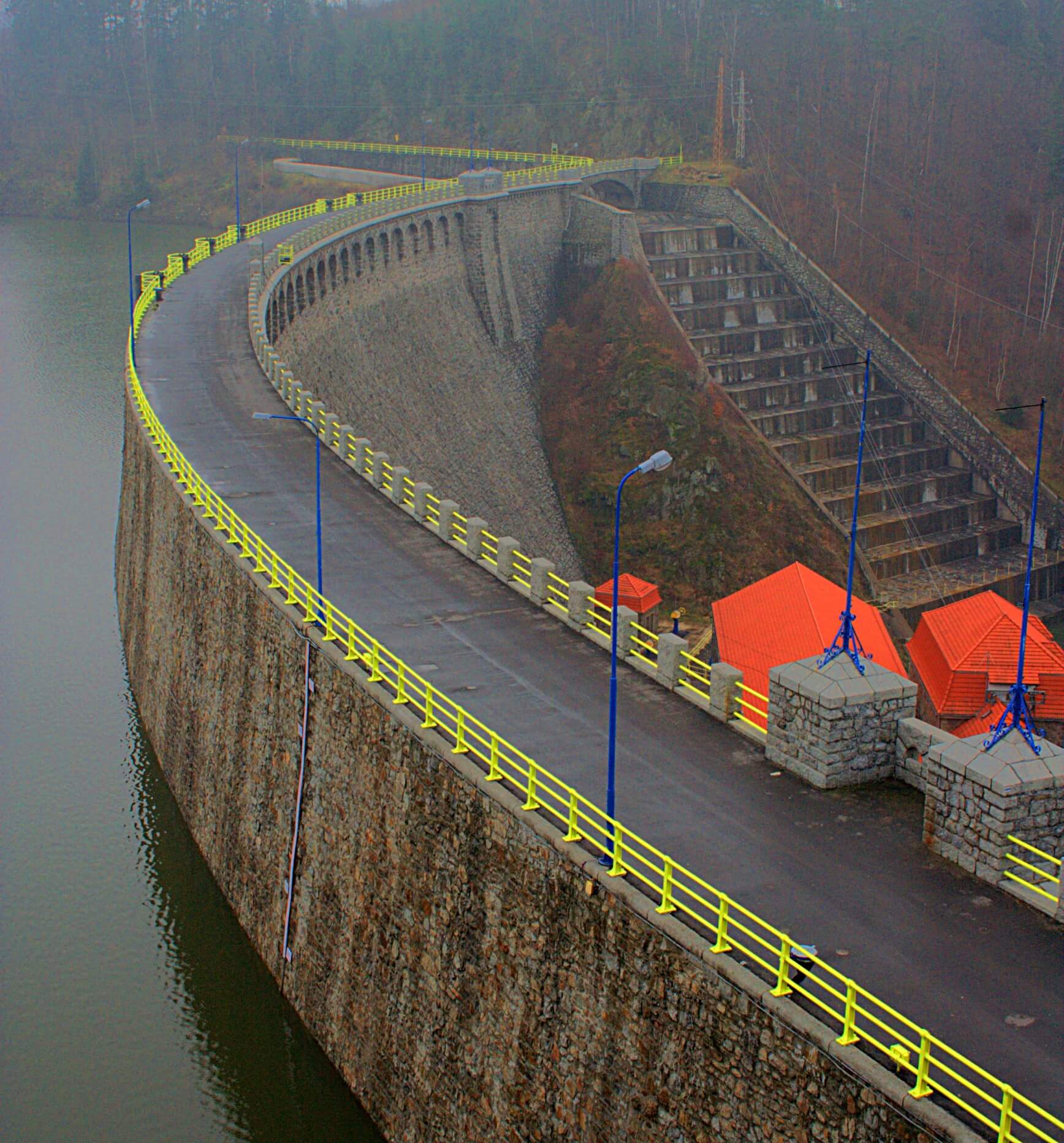
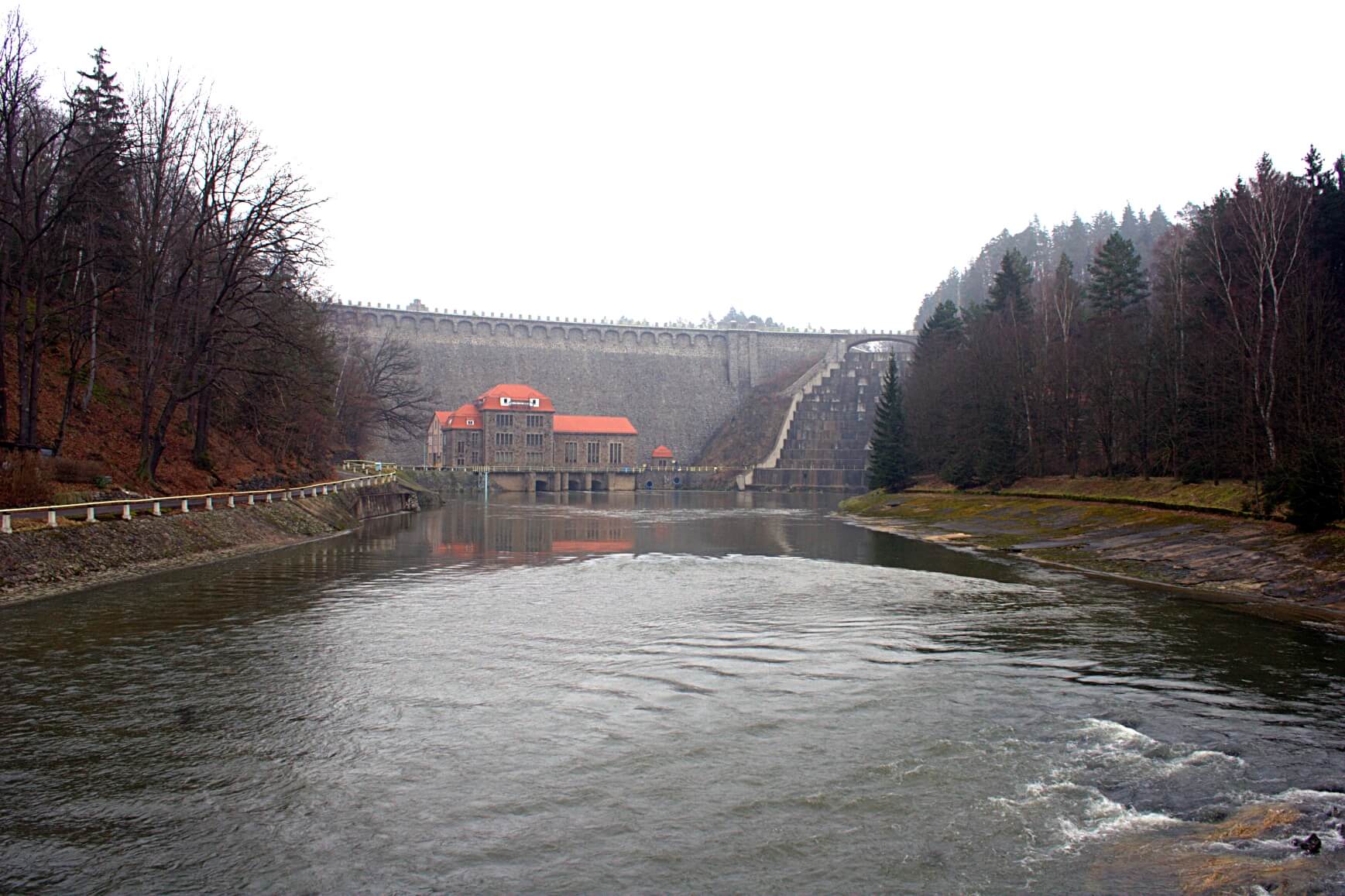
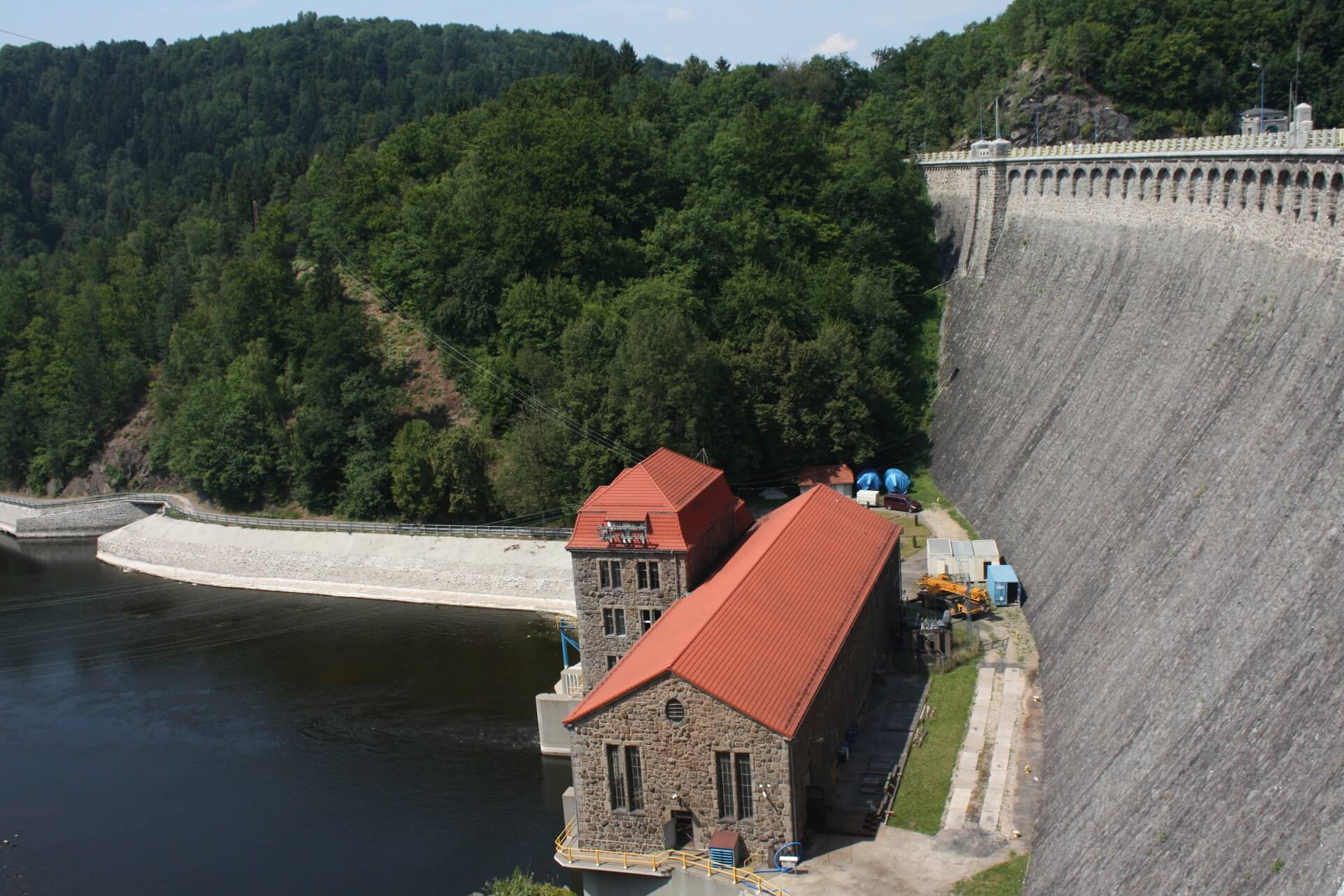
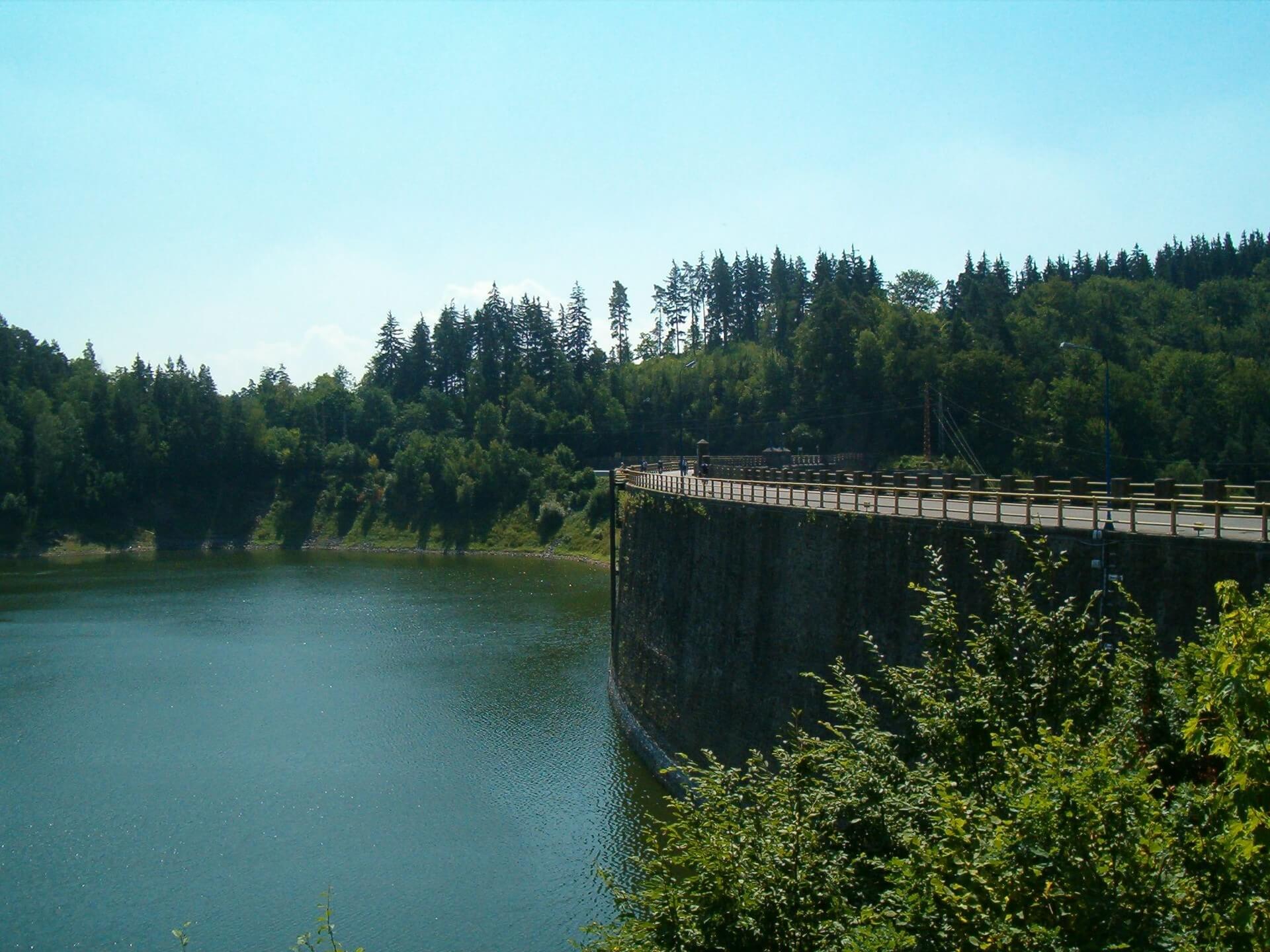
The Pilchowice Dam is an impressive work of hydrotechnical architecture. The use of stone and concrete in its construction was an innovative solution at the time, and the construction of the arch dam itself provides it with enormous resistance to water pressure. The length of the dam's crown is 270 meters, which makes it one of the longest in Poland.

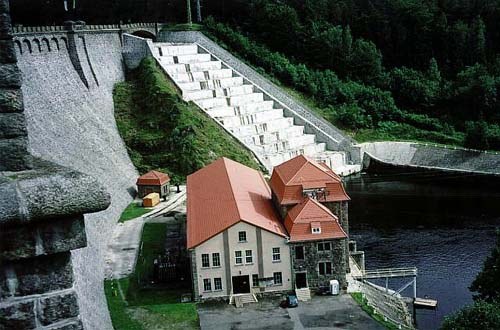
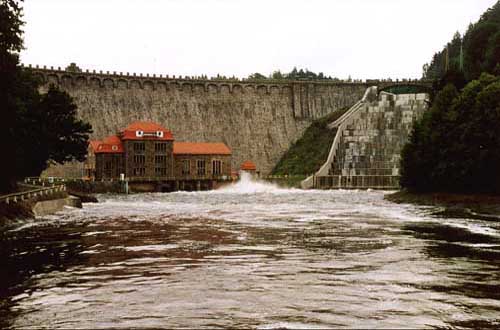
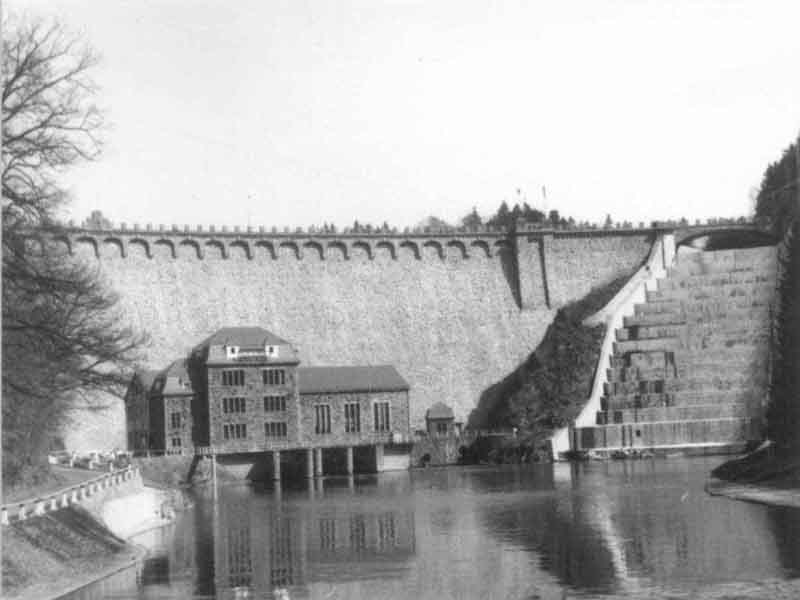
One of the most interesting elements of this structure is the stepped discharge channel, which is located on the side of the dam's crown. Instead of a traditional straight channel, a solution resembling stairs was used here, which gradually slows down the water flowing down the dam. This solution was not only aesthetic, but also functional – it allowed for controlling the force of the flowing water, which was particularly important for protecting the power plant located below the dam.

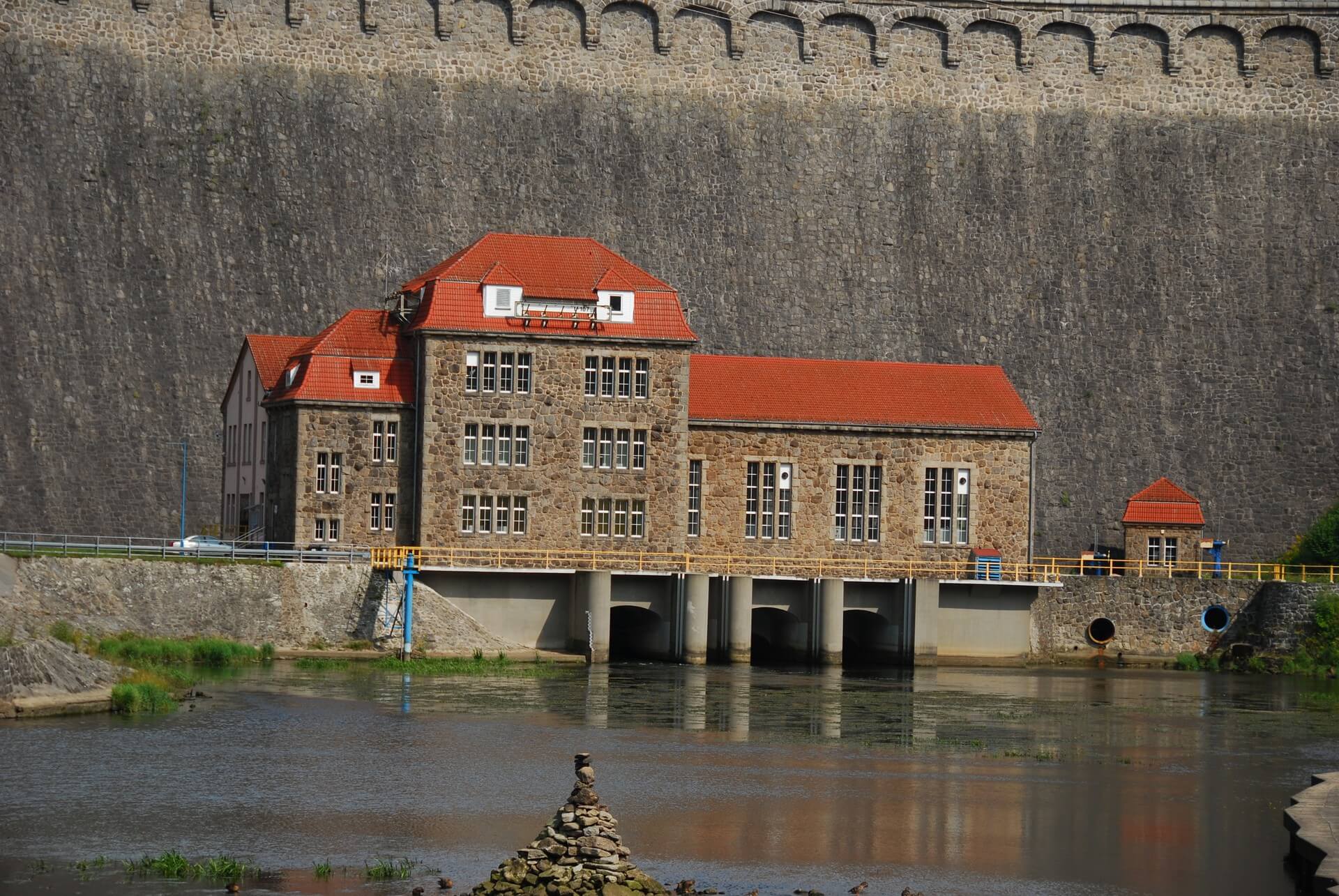
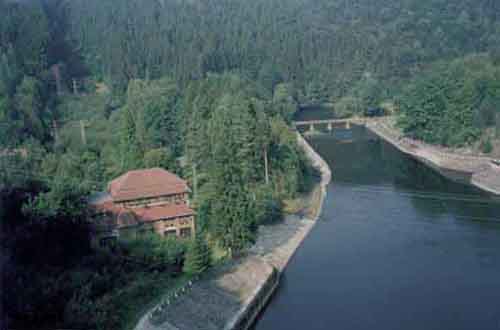
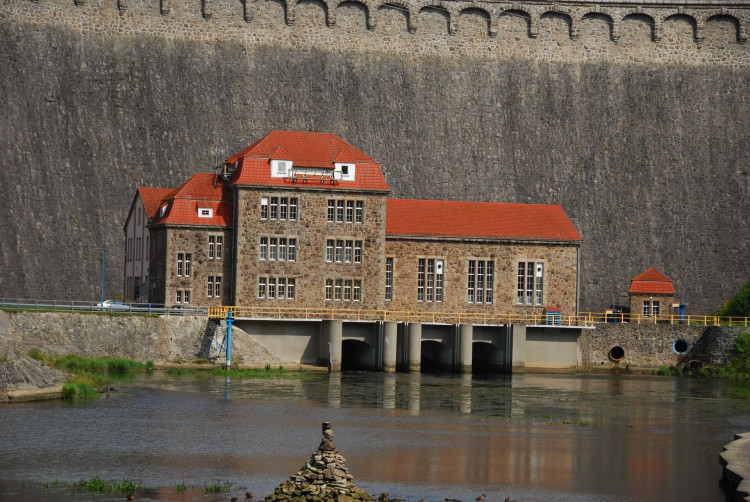
Pilchowice Power Plant, located at the foot of the dam, is another element of this extraordinary hydrotechnical complex. Although at first glance it resembles a small family home, inside it houses advanced technology, which at the beginning of the 20th century was a true engineering marvel. This power plant uses the energy of flowing water to generate electricity – its current capacity is around 8 MW, making it an important element of the local energy infrastructure.


The importance of the dam for the region and its role in flood protection

Since its construction, the Pilchowice Dam has played a key role in managing the waters of the Bóbr River and protecting against floods. Thanks to its design, it is possible to control the flow of water, which prevents sudden surges of the river and minimizes the risk of flooding. In a region that has historically been subject to recurring water disasters, the dam has become an invaluable element of infrastructure.

Pilchowice Lake, which was created as a result of the construction of the dam, serves not only as a retention reservoir, but also as an important recreational area for residents of the region and tourists. There are numerous hiking trails around the lake, and the reservoir itself is an ideal place for water sports such as kayaking and fishing. As a result, the Pilchowice Dam not only protects against floods, but also contributes to the development of tourism in the region.


Pilchowice Dam as a tourist attraction

The Pilchowice Dam is not only an element of hydrotechnical infrastructure - it is also a fascinating tourist attraction that attracts hundreds of visitors every year. The view of the dam stretching across the Bóbr River, surrounded by picturesque hills, is breathtaking. Tourists are offered not only the opportunity to walk on the top of the dam, but also to admire its monumental structure from various viewpoints in the area.

One of the more interesting ways to visit the dam is to take a train ride, which runs right next to the dam. The railway line connecting Jelenia Góra with Wrocław runs through the railway bridge over Lake Pilchowickie, offering spectacular views of the dam and its surroundings. The railway route itself is one of the most picturesque in Poland and is an unforgettable experience for nature and history lovers.

It is also worth mentioning that the Pilchowice Dam was planned as a filming location for the Hollywood film "Mission Impossible 7". Although the railway bridge was not destroyed, as originally planned, interest in the site increased internationally, which contributed to its promotion.


Awards and distinctions of the Pilchowice Dam

The Pilchowice Dam, one of the most important hydrotechnical structures in Poland, has repeatedly won recognition in Poland and abroad. Already in the first years after its completion, the structure won distinctions at international engineering exhibitions. At that time, it was one of the most modern achievements in construction technology, which drew the attention of specialists from all over Europe.

Contemporary interest in the dam is not limited to engineering circles. In 2012, on the occasion of the 100th anniversary of its construction, the dam was honored by the Polish Society of Civil Engineers as one of the most important technical monuments in Poland. This prestigious award highlighted both the historical significance and functionality of the dam, which still plays an important role in the water management of Lower Silesia.

In addition, the Pilchowice Dam is part of the European Route of Industrial Monuments, which is another distinction on an international scale. Thanks to this, the facility not only attracts tourists from Poland, but also from other countries who want to see one of the most unique structures in Europe.


Films and books featuring the Pilchowice Dam

The Pilchowice Dam, thanks to its monumental architecture and picturesque surroundings, has become an inspiration for many film and literary creators. The aforementioned production "Mission Impossible 7" aroused great interest in the place, but the history of the dam's connection with cinematography dates back much earlier.

One of the first films to show the dam was the Polish drama "Man on the Bridge" from 1978, where the Pilchowice Dam was a key background for the dramatic events taking place in the film. The unusual structure of the dam and its austere, monumental aesthetics perfectly matched the mood of the film's story, creating an additional dimension of horror and anxiety.

Literature also did not avoid this place. In thriller and crime novels, such as "Cienie nad Bobrem" by Marek Krajewski, the dam appears as a place full of secrets and symbolic for local history. Its presence in books further enriches the narratives of local heritage and confirms its cultural significance.

Over the past few decades, the dam has also become the setting for several documentary productions that have focused on the history of water engineering in Poland. These documentaries have highlighted not only its architectural value, but also its importance in the context of flood protection and renewable energy production.

In summary, the Pilchowice Dam, as a place with a rich history and unique architecture, has received deserved attention in films and books, which only confirms its status as an icon for lovers of both technology and the art of film and literature.


Fun facts about the Pilchowice Dam

The Pilchowice Dam holds many fascinating facts and curiosities that attract both history and engineering enthusiasts. One of the most interesting facts is that it is the second oldest dam in Poland, second only to the Leśna Dam. It was the Germans, who were then in charge of these areas, who were responsible for building the first dams in Lower Silesia, making this region one of the pioneers of hydrotechnics in Europe.

The Pilchowice Dam was also a place of experiments related to water power. At the beginning of the 20th century, various technologies related to the production of electricity were tested here, which made the Pilchowice power plant one of the most important centers of renewable energy production in the region.

Another interesting fact is that the Pilchowice Dam was used for military purposes during World War II. The Germans were aware of its strategic importance and used it to protect their supply lines. Although the dam survived the war without major damage, its role in armed conflicts adds an additional dimension to its history.


Summary

The Pilchowice Dam is not only an impressive hydrotechnical structure, but also a fascinating tourist attraction and an important element of local infrastructure. Its history, architecture and significance for the region make it one of the most interesting places in Lower Silesia. Whether you are interested in engineering, history or simply the beauty of nature, the Pilchowice Dam is certainly worth your attention. Pilchowice Lake, the picturesque surroundings and the majestic structure of the dam make it a place worth visiting and learning about.

Architect of Pilchowice Dam

Architect of Pilchowice Dam is prof. Otto Intze, dr inż. Curt Bachmann

How many meters have Pilchowice Dam?

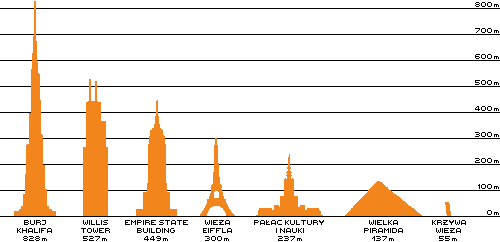
Height of Pilchowice Dam is 69 meters

how many meters have Pilchowice DamScale

Construction/building type

Building Pilchowice Dam is of type Heavy firewall, Stone building, Arc

Architectural style

Architectural style of Pilchowice Dam is Neogotyk

Neo-Gothic is an architectural style that emerged in Europe in the 19th century and inspired many buildings, both public and private. Its name comes from Gothic, which was one of the most important architectural styles of the Middle Ages. Neo-Gothic was designed to recreate the look and feel of medieval Gothic buildings. ... czytaj więcej.

What material is the building made of?

Pilchowice Dam is made of the following materials: Concrete, stone

Comments to Pilchowice Dam (74) Average rating: 5 Add comment    /    Rate building

Your opinion
#0
Share your impressions... write something about the building...
5  /  5
Average rating

Based on 74 comments
Irena
#49
Irena
18 years ago
witajcie,wiem ze okilice Jeleniej są piękne ale rowerkiem wzdłóż Bobru przez zaporę chce jechać na świeta wielkanocne Może ktoś zna fajny niedrogi nocleg koło Pilchowic A może ktoś chce sie ze mna zabrać/mam 50 lat/ mail:irena-rowecka@wp.pl pozdrawiam
silentfox
#48
silentfox
18 years ago
witam bylem tam tyle razy ale nigdy niemialem okazji byc w srodku. czy jest mozliwosc zwiedzenia wnetrza zapory pozdrawiam polecam trase kolejowa Lwówek śl - Jelenia góra
Julina
Julina
14 years ago
Niestety do środka nie da się wejść. Są drzwi które prawdopodobnie się otwierają (;p), ale są tylko dla pracowników elektrowni wodnej. Pozdro :)
ali
#46
ali
18 years ago
trpchę ją odnowiliśmy teraz jest jeszcze ładniejsza przyjedżcie i zobaczcie sami.... pozdrówka
uysa
#45
uysa
19 years ago
Ciekawe jest stwierdzenie, ze w czasie, kiedy zbudowano to imponujące cudo, nasz kraj był pod niemiecką okupacją. Czy autor wie, co to jest kłamstwo historyczne? Z takiego punktu widzenia to Polacy jak najbardziejbyli zaborcami co najmniej do lat 80-tych. A gdyby nie Niemcy, nie była bym tak dumna, ze tu mieszkam, bo zostawili po sobie cała masę wspaniałych rzeczy, z których do dzisiaj korzystamy.Jednym z przykładów jest właśnie ta zapora. Mieszkanka okolic
hoel
#44
hoel
19 years ago
Zobaczylem dzis zdjecie zapory w GW. I juz wiem, dokad jade podczas najblizszych wakacji. Przepiekne miejsce!
Tomek
#43
Tomek
19 years ago
pisze prace magisterska na temat tej zapory i musze sie tam wybrac na kilka dni. prosze o jakies namiary na jakis osrodek czynny w ciagu roku blisko jeziora i zapory.
joanna
#42
joanna
19 years ago
juz niedlugo zacznie dzialac agroturystyka zapraszamy:)) kontakt surmus82@wp.pl
Andreas
#41
Andreas
19 years ago
Zgadzam się ,że to bardzo tajemnicze miejsce. Pierwszy raz byłem na zaporze w latach 70- tych podczas wielkiej powodzi. Porażające wrażenie!chciałbym nawiązać kontakt z ludzmi , ktorzy interesują się zaporą. Ciekawe czy były tzw. przelania przez koronę zapory , które są niezwykle niebezpieczne? Niech coś powiedzą starzy pracownicy.
Andrzej i Natalka
#40
Andrzej i Natalka
19 years ago
Świetne miejsce do spacerów, piękne widoki i mrożący krew w żyłach tunel, ogółem super !!!
MAdlen-
#39
MAdlen-
19 years ago
Zapora jest świetna. Lubie tam jezdzić- szkoda tylko ze ten hotel jest niedokończony bo warunki na zaporze w pilchowicach sa fantastyczne i jest tam tak.....cudownie sami sie przekonajcie :)
wodynka
#38
wodynka
19 years ago
Byliśmy tam parę lat temu z mężem, jak się stoi przy barierce ma się wrażenie, że za chwilę sie spadnie. A pozatym podaja tam dobrą grochówkę.
kiler
#37
kiler
19 years ago
piekne miejsce do motocrosu polecam
jacek
#36
jacek
19 years ago
SWIETNE MIEJSCE DO WEDKOWANIA,CZESTO TAM JEZDZE
krzysiek v
#35
krzysiek v
19 years ago
FAJNE MIEJSCE NA ODPOCZYNEK BYłEM TAM TYLKO RAZ ALE NIEZAPOMNE TEGO NIGDY
Ewa
#34
Ewa
19 years ago
Poszukuję adresów/telefonów kwater prywatnych nad Jeziorem Pilchowickim- sprawdzonych - na letni wypoczynek.
Baja
#33
Baja
19 years ago
Dzieki za fajne slowa o zaporze, na pweno zacharzę o nią w drodze z Poznania do Pec pod Snezkou w Czechach, jade 15 czerwca mam nadzieje ze bedzie ladan pogoda.
miki9
#32
miki9
19 years ago
ja byłem ostatni raz 31marca w jeleniej górze to jest niedaleko.
gregor
#31
gregor
19 years ago
najbardziej tajemnicze miejsce jakie znam...
anita
#30
anita
19 years ago
Jest to najbardziej uroczy zakatek jaki do tej pory spotkalam. W Pilchowicach mieszka moj dziadek, spedzam tam kazde wakacje.Zapora jest pieknym miejscem nie tylko do zwiedzania ale takze do relaksu, zawierania nowych znajomosci ja np. w tym miejscu spotkalam swoja pierwsza milosc!!
Victor
#29
Victor
19 years ago
Zapora Pilchowice Jest to jedno z pięknięjszych miejsc ziemi Jeleniogórskiej. Możliwosci turystyczne okolicznych,perelek sa niezbadane,szczególnie przez nieudolne od lat nasze "wladze"czy tam jak ich nazwać. Przykładem niegospodarnosci są własnie okoliczne zapory i zbiorniki wodne,przy tych budowlach. W czasach komuny,jechalo sie tam i można było coś zjeść i odpocząć a teraz toniemy w taniej garkuchni, nie pierwszej świeżości jedzeniu i brudu dookoła. Szkoda,szkoda,szkoda.
Marcin
#28
Marcin
19 years ago
Kanal upustowy to niewielki tunel na drugim koncu tamy, zas schodki sa elementem, dzieki ktoremu nadmiar wody w jeziorze nie przelewa sie przez tame (chociaz juz kilka razy bywalo i tak, ze woda sie przelewala przez tame, bylo wowczas kilka powodzi w Pilchowicach. lata 70-te jakos)
kamil z Le
#27
kamil z Le
19 years ago
fajne krajobrazy i zalew
Husar
#26
Husar
19 years ago
Zanieczyszczeniom STOP!1!!!!!!!!!!!!!!!!!!!!!!!
w
#25
w
19 years ago
Niemcy, prawie 100 lat temu, potrafili w krótkim czasie wybudować te zapory, linię kolejową,drogi dojazdowe, a "mądrzy" polacy wybudowali w pobliżu zalewu wielkie miejskie wysypisko śmieci w Siedlęcinie, z którego ścieki przedostają się do zalewu położonego poniżej.Pomimo tego są to bardzo piękne okolice -polecam trasę od "Perły Zachodu" przez Wrzeszczyn do Pilichowic

Location on map / How to get there

Redakcja Budowle.pl
Weather nearby
Today (18 November)
current weather in this location
2.5 ° C
-1.3 ° (min)     2.9 ° (max)
0 mm
5.2 m/s
1018 hPa
Tomorrow (19 November)
Tomorrow weather in this location
0.5 ° C
-3.1 ° (min)     3.4 ° (max)
0 mm
5.5 m/s
1012 hPa
Show forecast for 14 days Source: openweathermap.org