London City Hall
London, United Kingdom

London City Hall (United Kingdom) - the headquarter of government and the Mayor of London

Where is located London City Hall?

Address of London City Hall is 110 The Queens Walk, London SE1 2AA, United Kingdom
show on map

When was built London City Hall?

Built date of London City Hall is Date of opening - July 2002
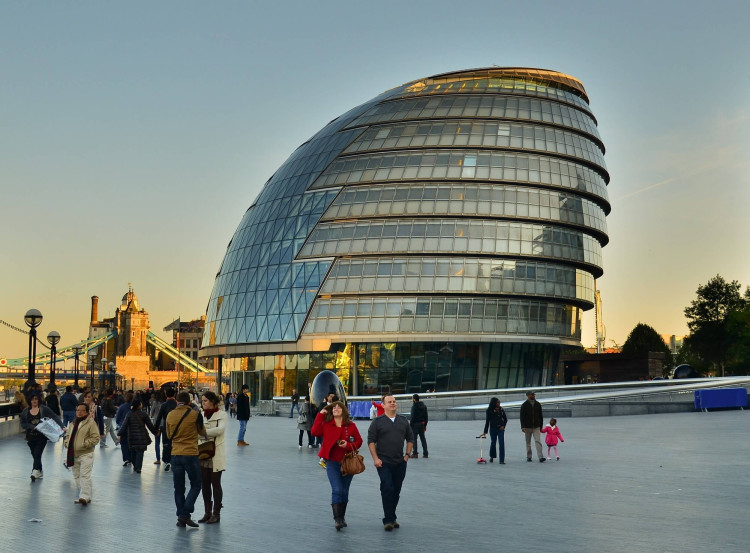
London City Hall

Facts, informations and history of London City Hall

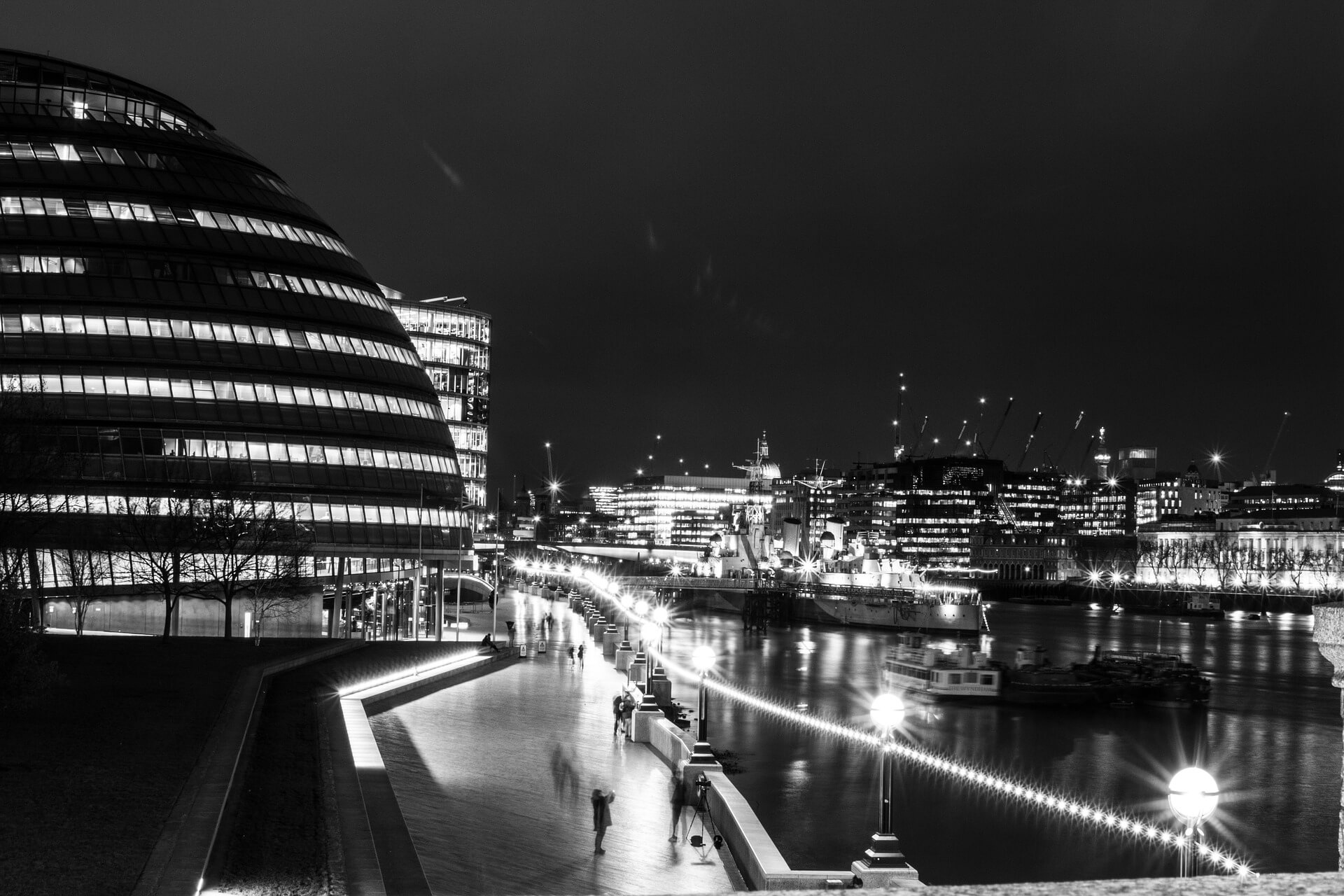
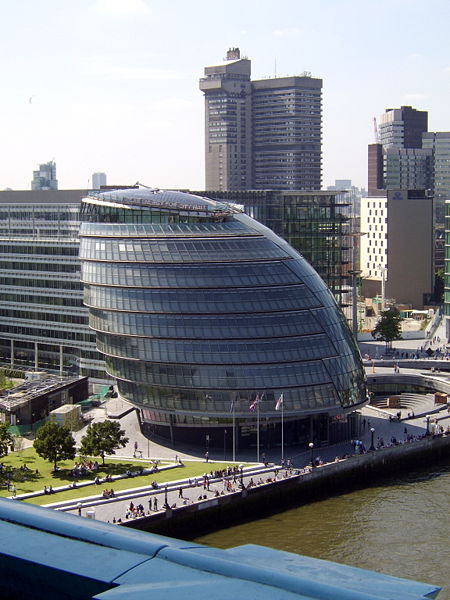
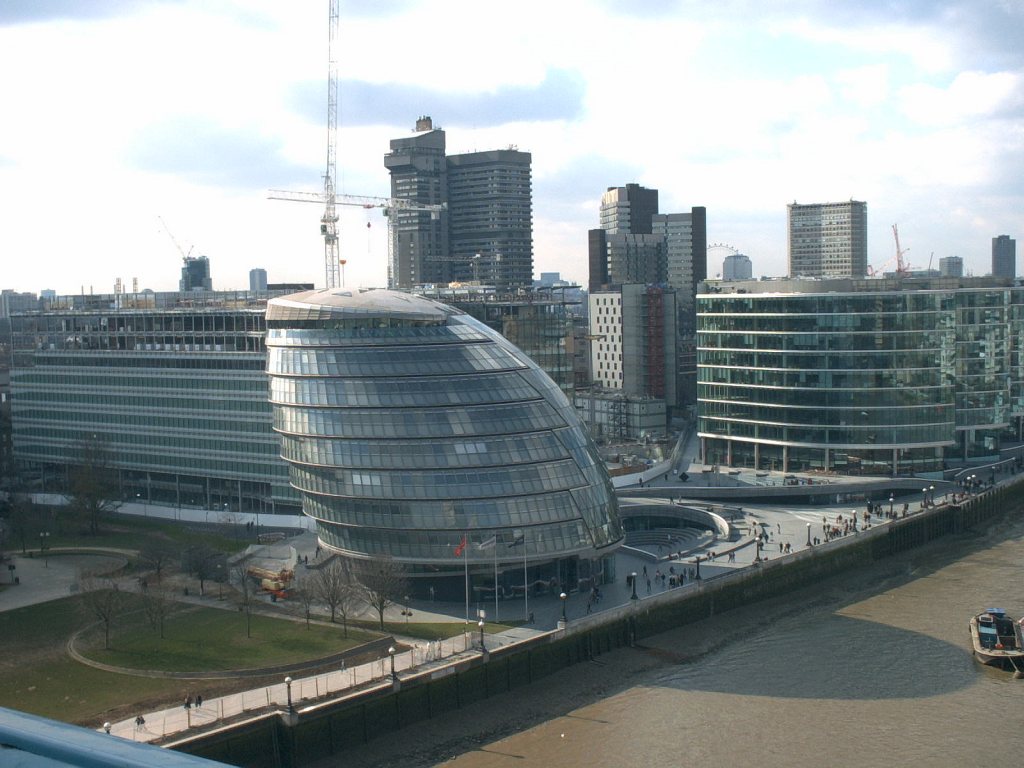
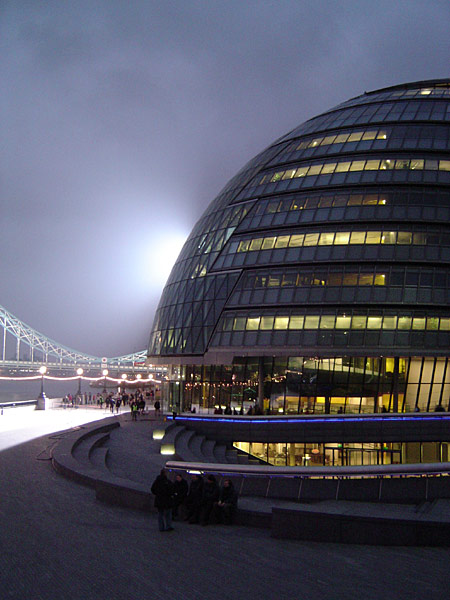
London City Hall is one of the most recognizable places in the capital of Great Britain. It is located on the south bank of the Thames, close to Tower Bridge, and since its construction in 2002 it has served as the seat of the city authorities and the office of the Mayor of London. Although the building is not as old as other famous landmarks in London, its futuristic design and modern technological solutions make it arouse great interest among both residents and tourists.


London City Hall Design and Architecture

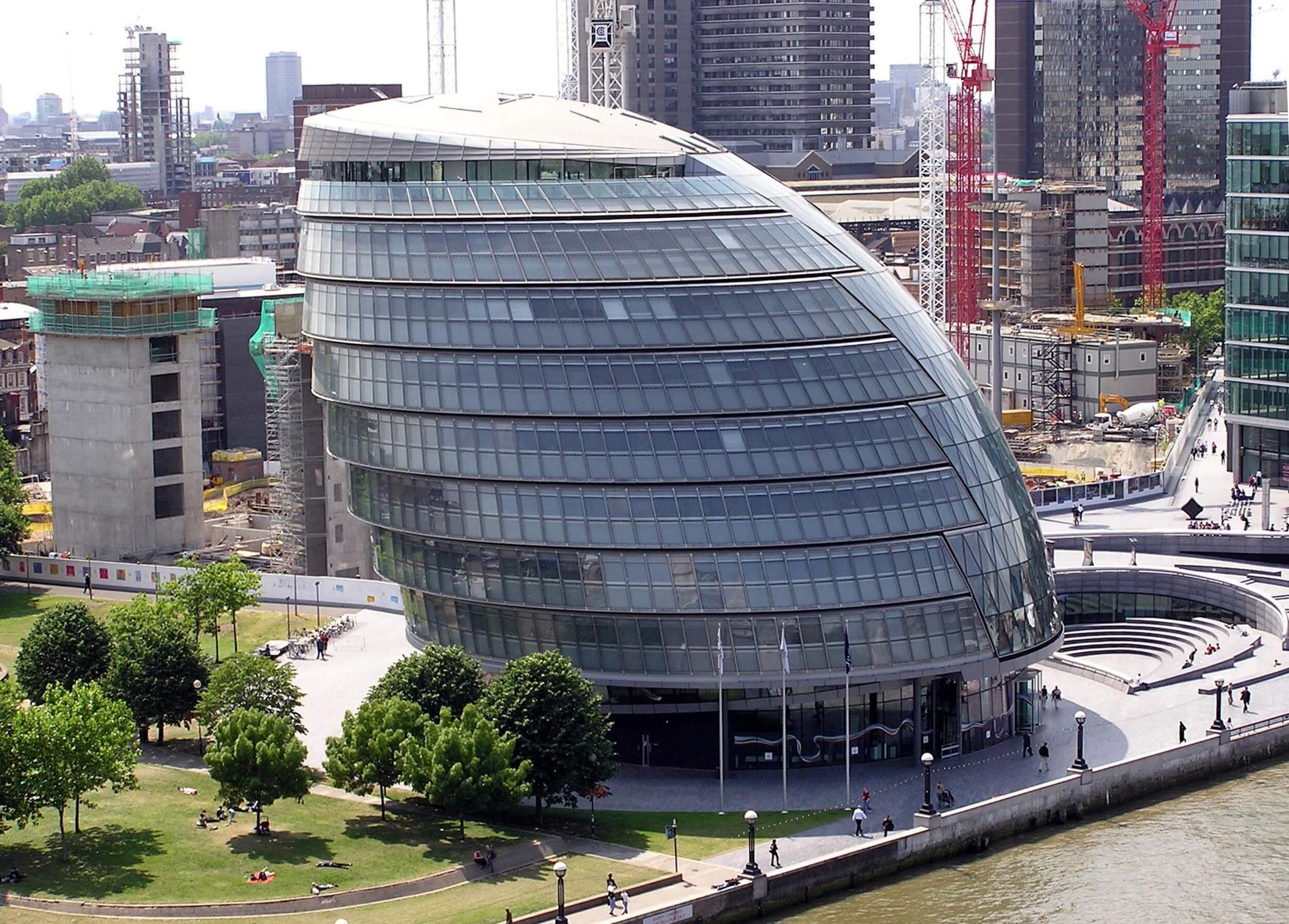
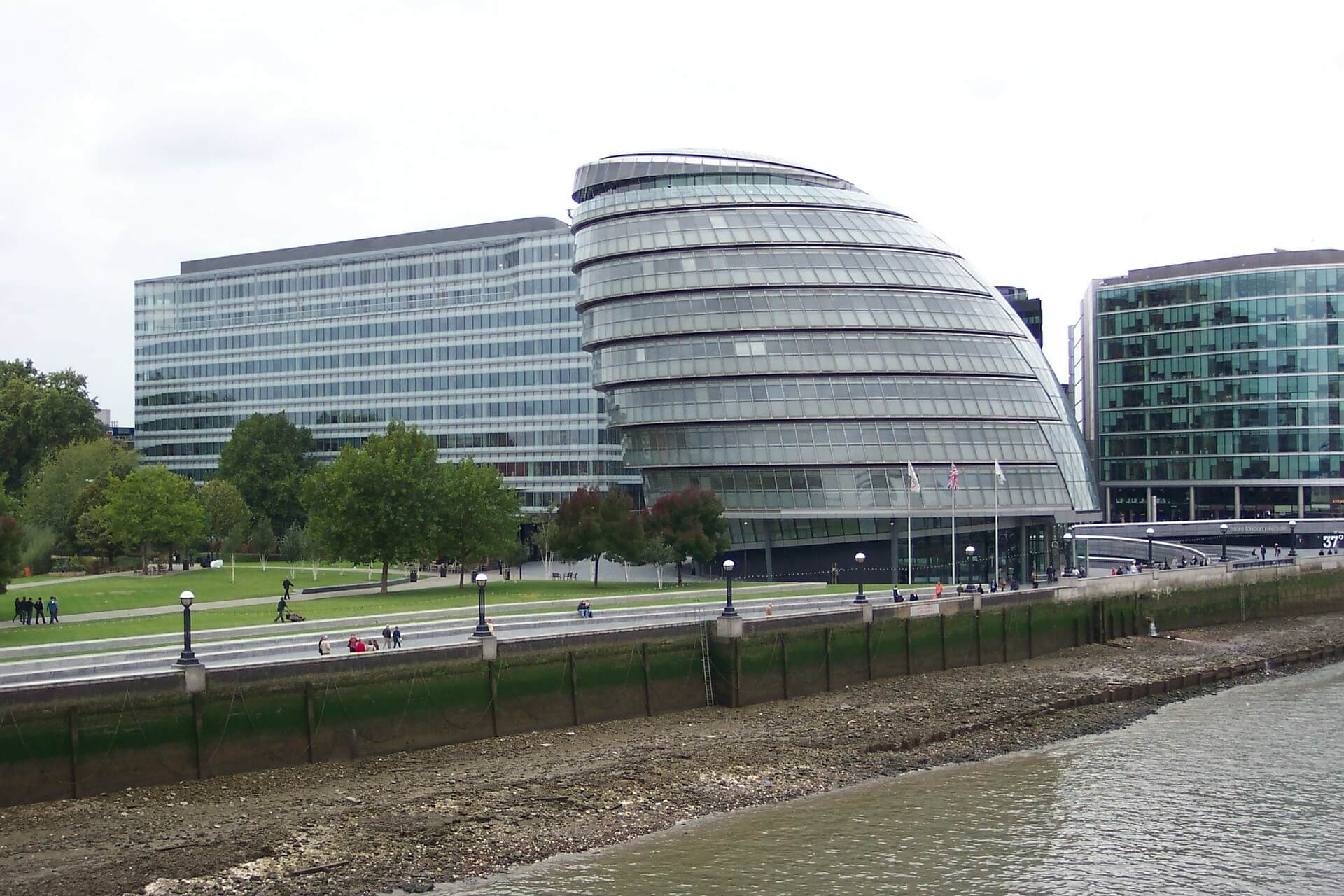
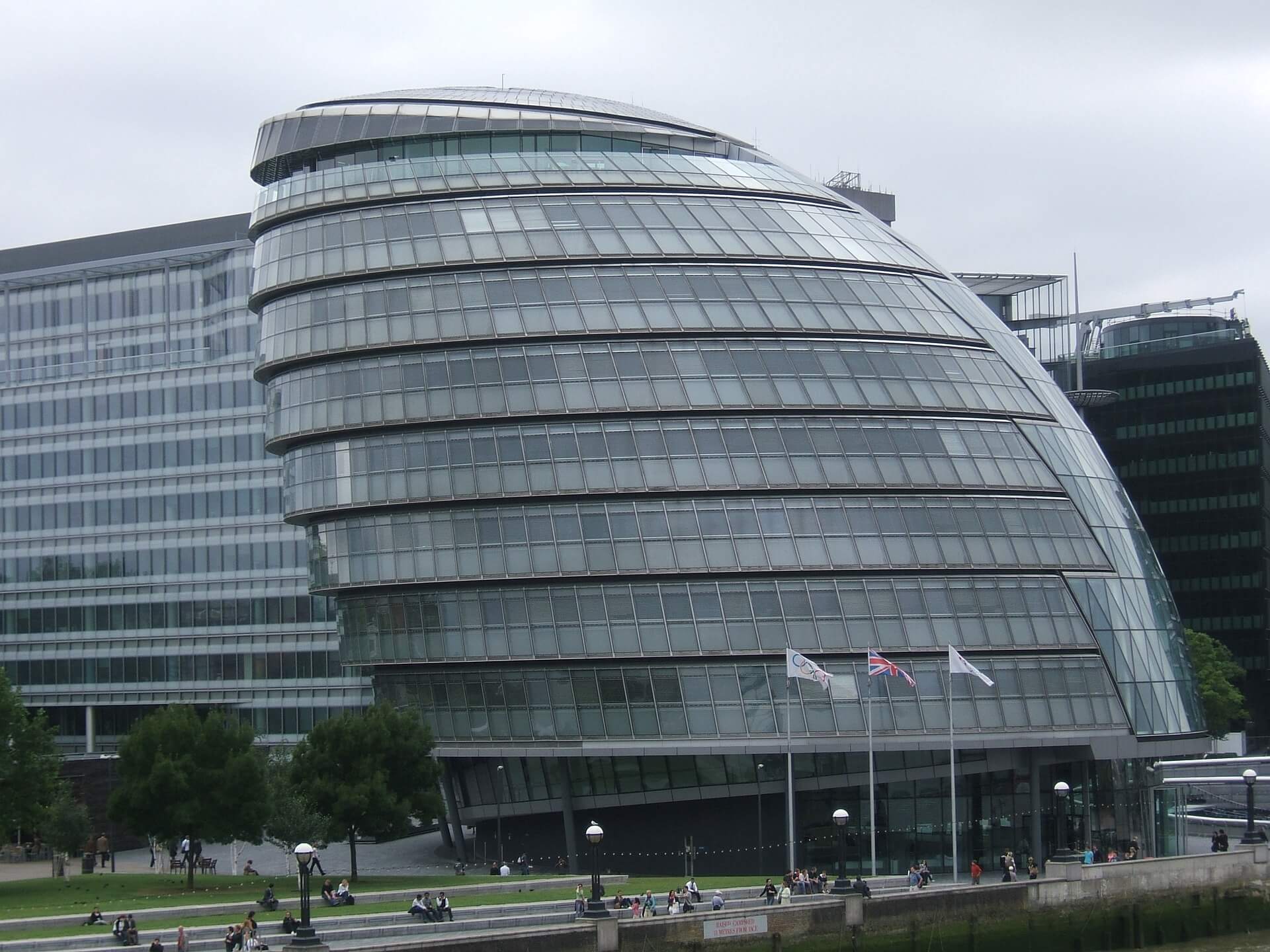
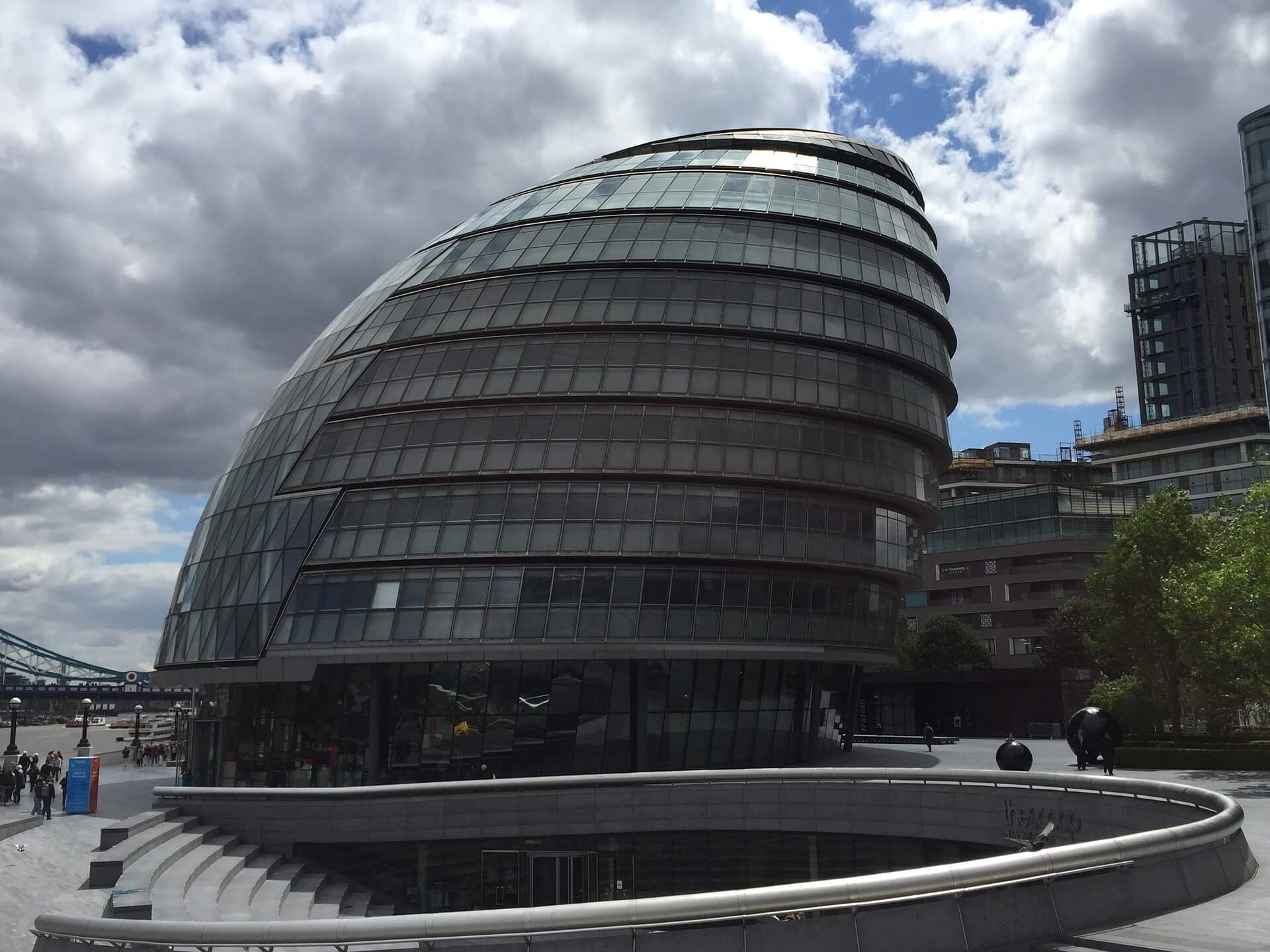
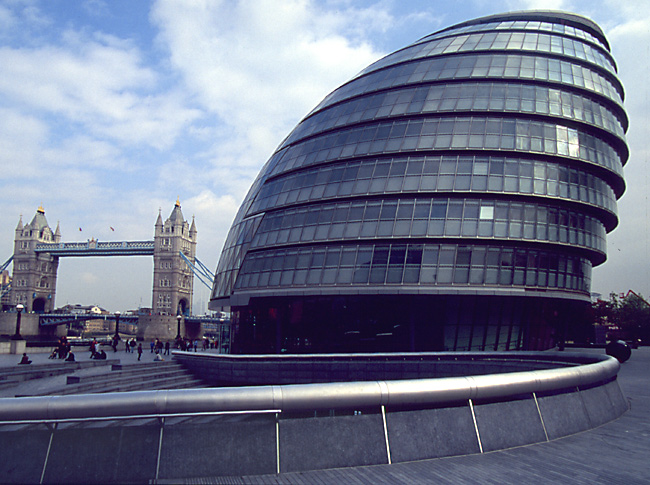
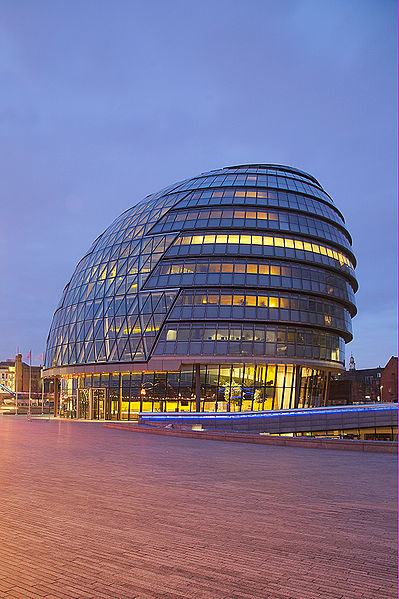
One of the most characteristic features of London City Hall is its unique shape. It does not resemble the traditional city hall buildings that city dwellers are accustomed to. Its shape, often compared to a motorcycle helmet, an egg or even a light bulb, was the result of detailed research aimed at optimizing energy consumption. This shape reduces the building area that requires artificial lighting and heating, which allows for a significant reduction in energy consumption.

The design was selected through a competition in which 55 different architectural proposals took part. Of these, 7 of the most interesting were presented to the public so that visitors could express their opinions about them. As a result, the design by Norman Foster and his architectural office Foster + Partners, known for designing innovative and ecological buildings, was selected.

The building has 10 floors and is 45 meters high. Its structure consists of 2,100 tons of metal frames and 1,950 tons of reinforced steel. 13,100 m² of cement and 7,300 m² of glazed glass were also used, making London City Hall both durable and aesthetically modern.


Eco-friendly solutions in London City Hall

One of the main goals in the design of London City Hall was to reduce energy consumption as much as possible. This is why the building is one of the most eco-friendly buildings in London. Its shape reduces the need for air conditioning and artificial lighting. Energy consumption is four times lower than in traditional buildings of similar size.

Interestingly, in 2007, solar panels were installed on the roof of the building, allowing it to produce its own energy. This initiative was supported by the London Climate Change Agency, which underlines the city's commitment to combating climate change. The ventilation system in the building was also designed in an ecological way. Each office has opening windows, and natural ventilation helps maintain a comfortable temperature inside the building. Additionally, heat from computers and lighting is collected and reused to heat other rooms.

London City Hall also has an advanced cooling system that uses water extracted from underground. The same water is then used to flush toilets, which is an example of efficient management of natural resources. With such solutions, the building fits into London's policy to reduce CO2 emissions and promote sustainable development.


Interior of London City Hall

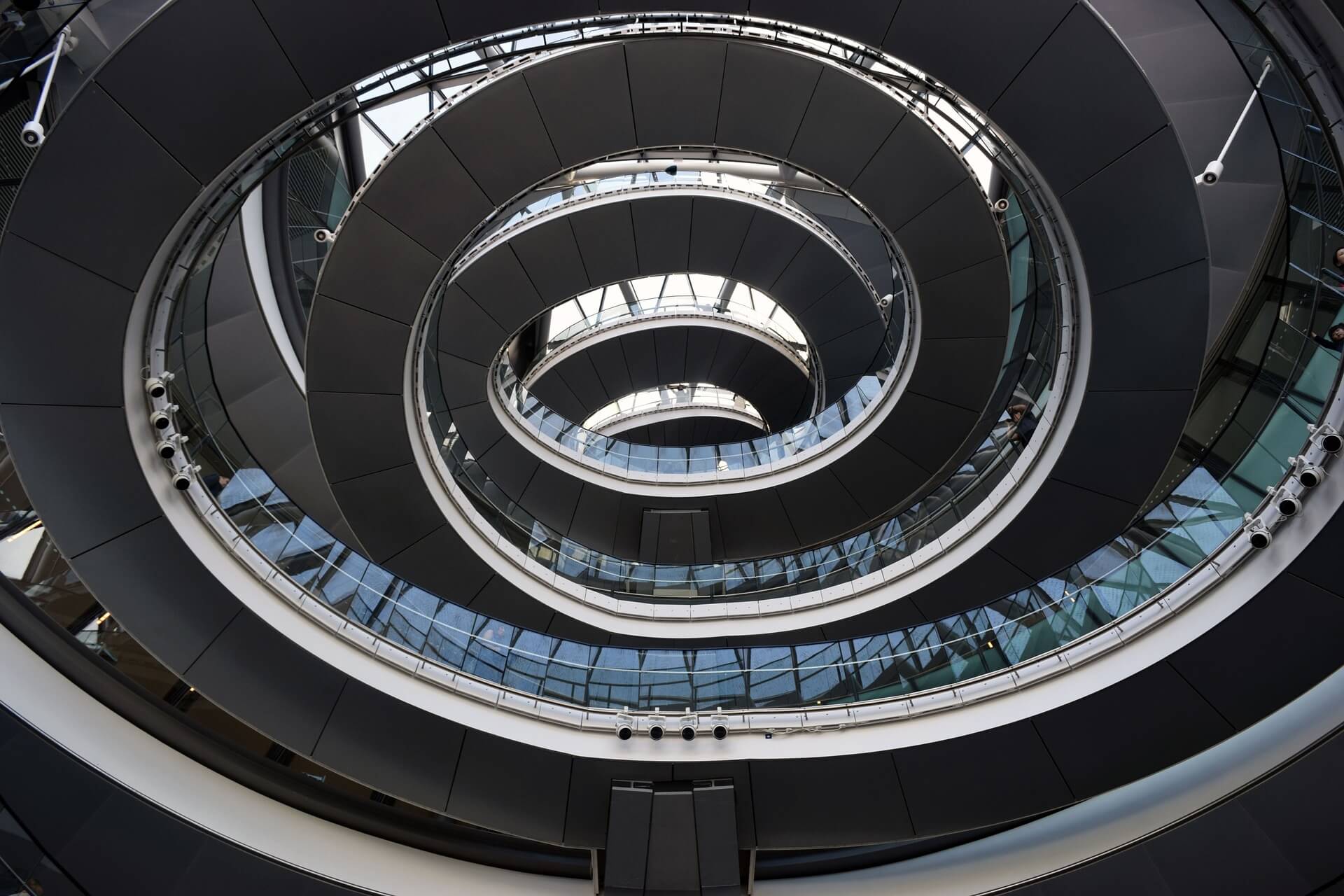
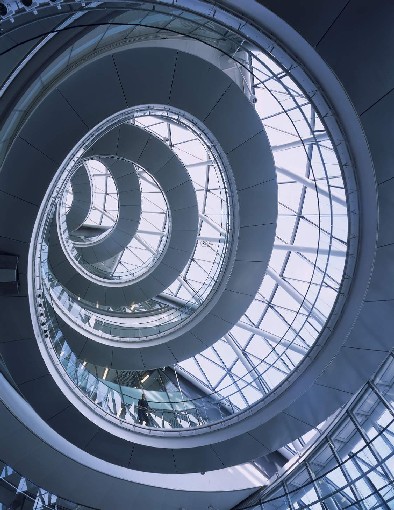
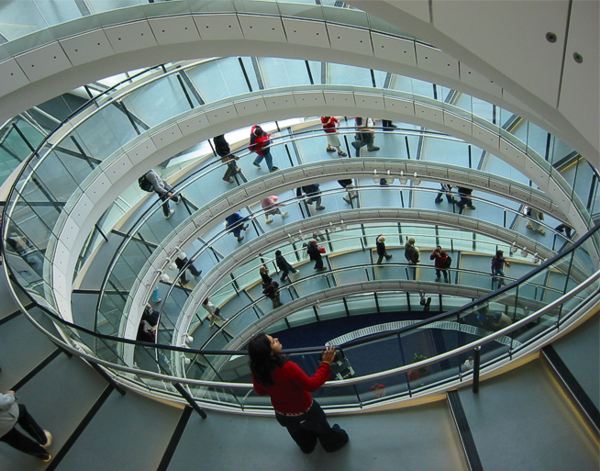
The interior of London City Hall is as modern as its exterior. One of the most impressive features is the spiral staircase that leads through all 10 floors of the building. It is reminiscent of the famous passage located in the Guggenheim Museum in New York. These stairs are one of the most characteristic architectural elements of the building and are a symbol of its modernity.

There is also a spacious pedestrian passage inside, which is 500 meters long. This is a place that is intended to facilitate meetings and the exchange of ideas between the residents of London and the employees of the city hall. This is where public meetings, workshops and conferences are held, which aim to bring citizens closer to the city government.

At the top of the building there is a gallery and a viewing terrace, from which you can admire the panorama of London. This is one of the favorite places for visitors who want to see the city from a different perspective. It is worth noting that this terrace is also a place where important meetings and events are held with the participation of the mayor and representatives of the city authorities.


The importance of London City Hall for London

The London City Hall building is not only the seat of the city authorities, but also a symbol of modernity and London's commitment to combating global challenges, such as climate change. Its ecological solutions, innovative architecture and space conducive to social dialogue make the City Hall one of the most important points on the city map.

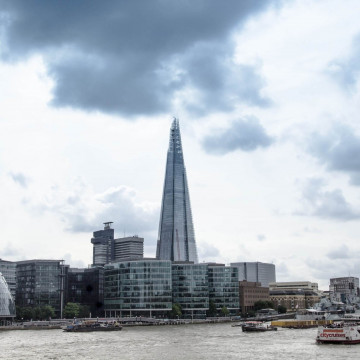
It is also an example of how modern architecture can harmonize with the historic buildings of London. Located in close proximity to Tower Bridge and The Shard, London City Hall combines both historical and modern elements of the city, creating a unique panorama.

This building also plays an important role in environmental education. Its interiors host numerous workshops, conferences and meetings devoted to the topics of environmental protection, sustainable development and technological innovation. Thanks to this, London City Hall not only manages the city, but also actively contributes to shaping its future.


Interesting facts about London City Hall

London City Hall hides many interesting facts that may surprise even those who know London well. One of them is the fact that the building is open to visitors most of the week. You can visit it from Monday to Friday from 8:00 to 20:00, as well as on some weekends. This is a great opportunity to see the interior of this extraordinary building and admire the view from the viewing terrace on the top floor.

Interestingly, London City Hall has also been a film set. Its futuristic appearance perfectly suits science fiction films and productions that show modern cities of the future.

It is also worth knowing that although the building has a modern shape, it did not always fulfill its functions 100%. Due to its unique shape and rounded façade, there were some problems with ventilation and heating of the interior during hot days. However, these problems have been gradually solved thanks to new technologies and structural improvements.


Awards and distinctions

London City Hall has gained recognition worldwide for its innovative design and ecological solutions. Although the building itself has not won a huge number of prestigious architectural awards, its designer, Norman Foster, is a multiple winner of international awards, including the Pritzker Prize (1987), one of the most important awards in the field of architecture. As a result, the London City Hall project is often cited as one of his innovative works.

The building has also been recognized for its solutions in the field of sustainable development. In 2003, it received the Green Building Award for its innovative approach to reducing energy consumption and sustainable architecture. It was also recognized in categories promoting green building, which influenced further promotion of green technologies in London.


London City Hall in films and books

London City Hall, due to its futuristic appearance, has become a natural choice for filmmakers, especially in science fiction productions and films that depict modern cities of the future. It appeared in the film "V for Vendetta" (2005), where it symbolized a futuristic, dystopian capital. Its unique form often means that the building is used in films that need modernist or futuristic scenery.

The building has also appeared in literature, especially in novels that take place in London of the future. Peter Ackroyd, in his book "London: The Biography", devotes attention to modern buildings such as City Hall, emphasizing how new architecture is changing the city's landscape. The City Hall has also appeared in numerous tourist guides and books on contemporary architecture, where it is an example of a building with high energy efficiency.


Unusual curiosities about London City Hall

Despite its modernity and innovative solutions, London City Hall hides a few unusual curiosities that may surprise even long-time London residents.

One of the most surprising pieces of information is that for some time the building did not have enough parking spaces for employees. Because the project focused on reducing emissions, employees were encouraged to use public transport, which initially frustrated those accustomed to driving their own cars.

Another interesting fact is that the building is sometimes referred to by locals as "the glass testicle" due to its unusual shape. This joking name quickly caught on in local circles, although the building is officially called simply "City Hall".

Another interesting fact is that the spiral staircase inside the building, although impressive, was considered impractical by some employees, especially when they have to walk there every day instead of using the lifts.


Summary

London City Hall is a unique building on the map of London, combining modern architecture with advanced ecological solutions. Since its construction, it has become a symbol of the city's commitment to combating climate change and an example of how modern buildings can function in accordance with the principles of sustainable development. Thanks to its unique form, ecological infrastructure and space conducive to social dialogue, London City Hall has become a permanent part of the landscape of the capital of Great Britain.

Architect of London City Hall

Architect of London City Hall is Foster and Partners
Foster and Partners

How many meters have London City Hall?

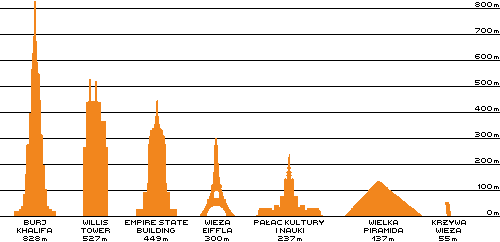
Height of London City Hall is 45 meters

how many meters have London City HallScale

Construction/building type

Building London City Hall is of type Government office

Architectural style

Architectural style of London City Hall is Modern High-Tech

Modern High-Tech is an architectural style that originated in the 1970s and is characterised by the use of modern technology and materials in construction. Buildings in this style tend to be austere and evocative, with facades covered in futuristic lines and shapes. ... czytaj więcej.

Other dimensions, parameters and frequently asked questions
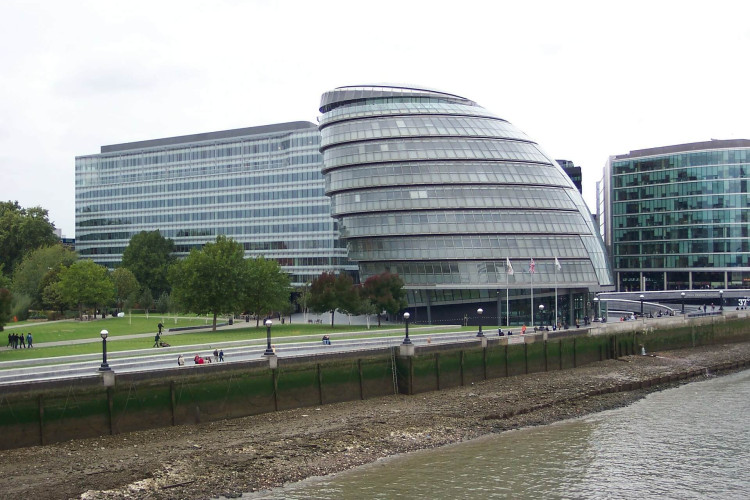
London City Hall

What area have London City Hall?

London City Hall have area of 185,000 square feet - floor area

What material is the building made of?

London City Hall is made of the following materials: Glass tiles, reinforced steel

Cost

Build cost of London City Hall is £65 m

Official website

The official website of the building, where up-to-date information can be found, is http://www.london.gov.uk/city-hall

Comments to London City Hall (2) Average rating: 4,0 Add comment    /    Rate building

Your opinion
#0
Share your impressions... write something about the building...
4,0  /  5
Average rating

Based on 2 comments
Benedykt Dobrzynski
#2
Benedykt Dobrzynski
16 years ago
Adres internetowy zaraz wysyłam synowi! Ale ,ile kosztuje wejscie do gmachu i winda na górę,na taras widokowy ?
dymek02
#1
dymek02
16 years ago
"...13100 m2 cementu...." ciekawe:P a moze m3, nie wydaje się wam?

Location on map / How to get there

Redakcja Budowle.pl
Weather nearby
Today (16 May)
current weather in this location
12.5 ° C
5.5 ° (min)     15.1 ° (max)
1 mm
4.3 m/s
1009 hPa
Tomorrow (17 May)
Tomorrow weather in this location
14.2 ° C
7.8 ° (min)     16.1 ° (max)
0.9 mm
5.1 m/s
1011 hPa
Show forecast for 14 days Source: openweathermap.org