 Budowle.pl


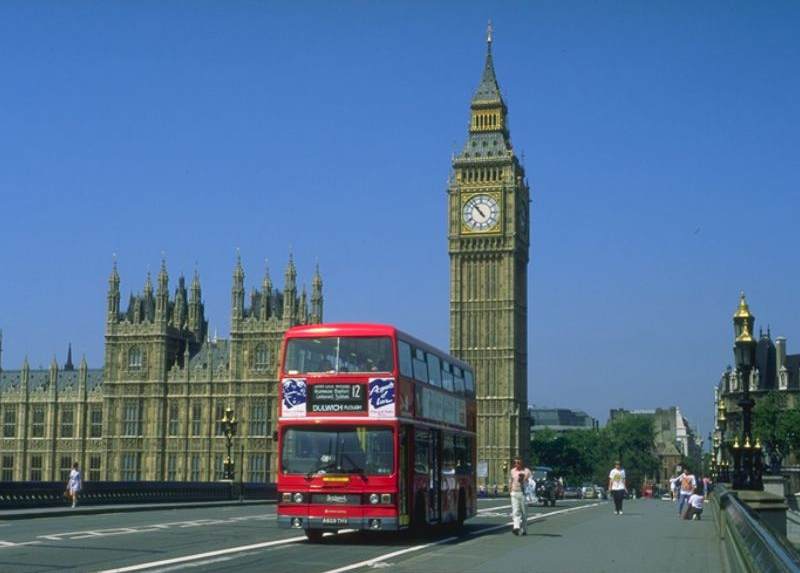
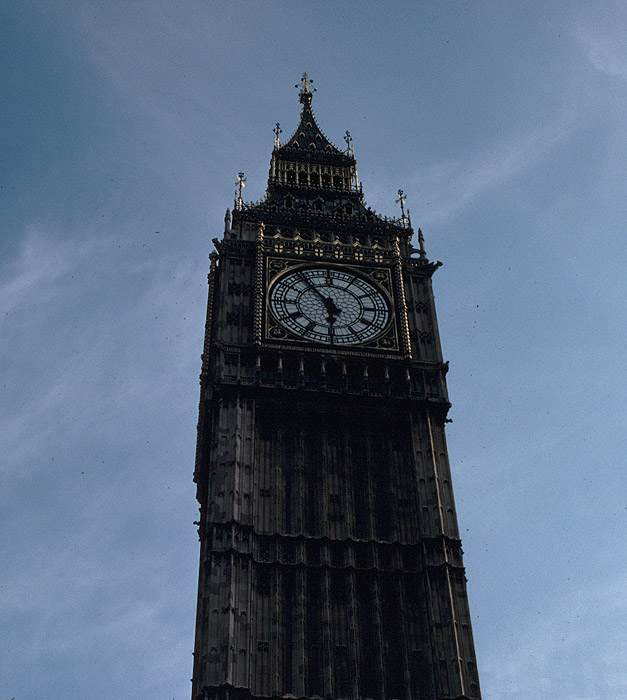
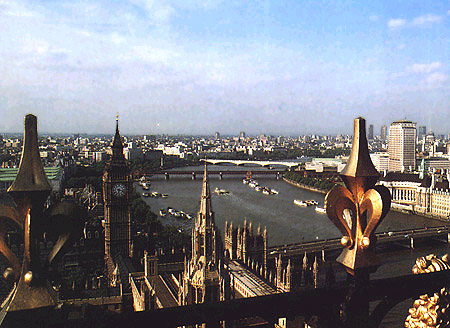
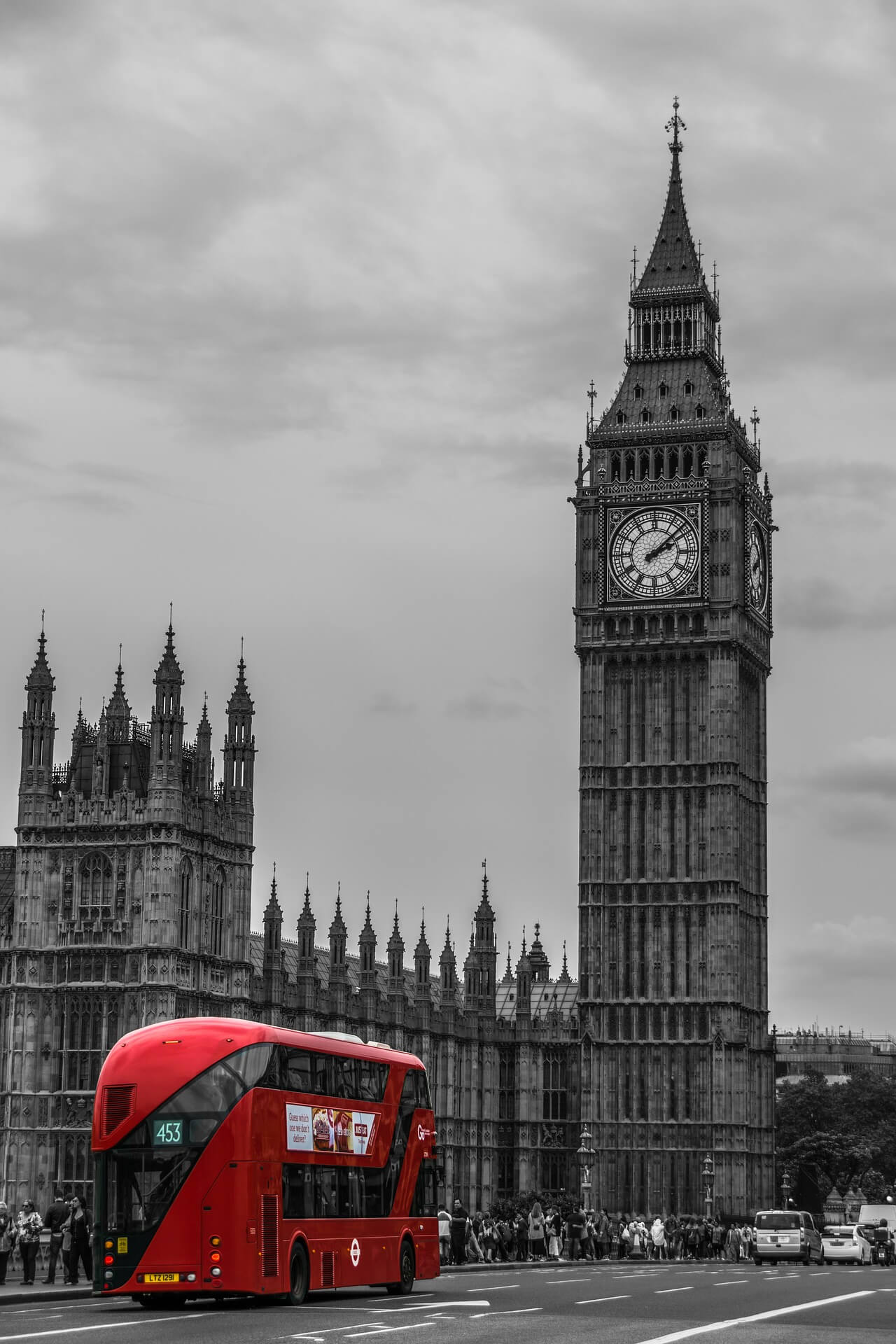
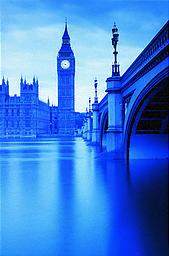
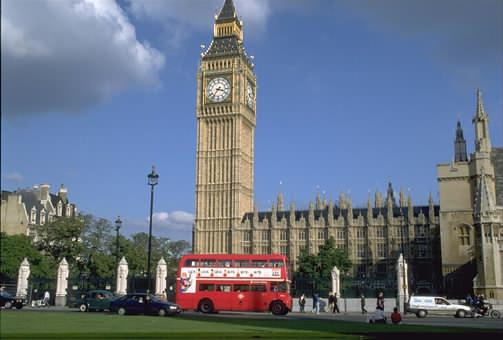
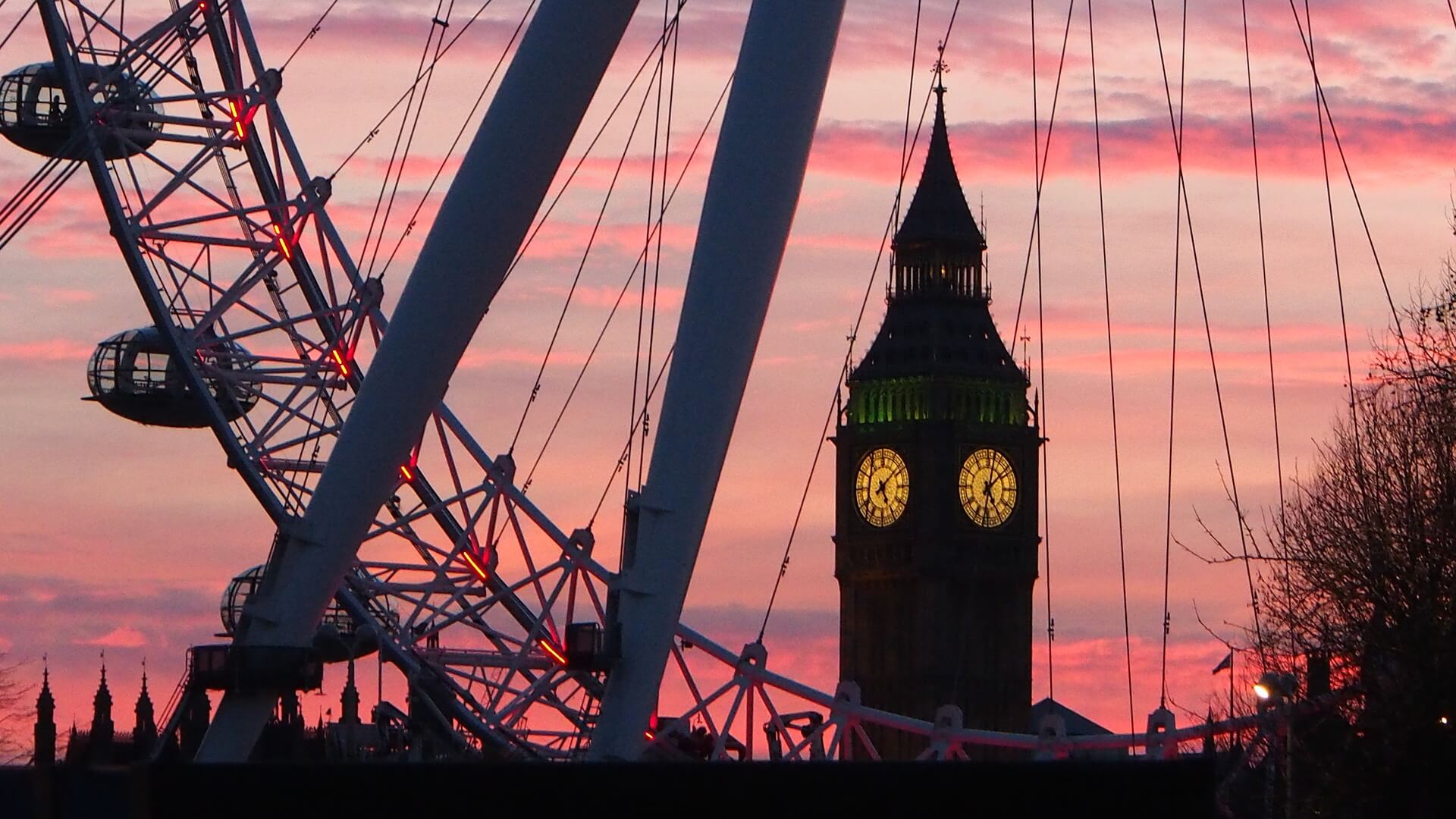
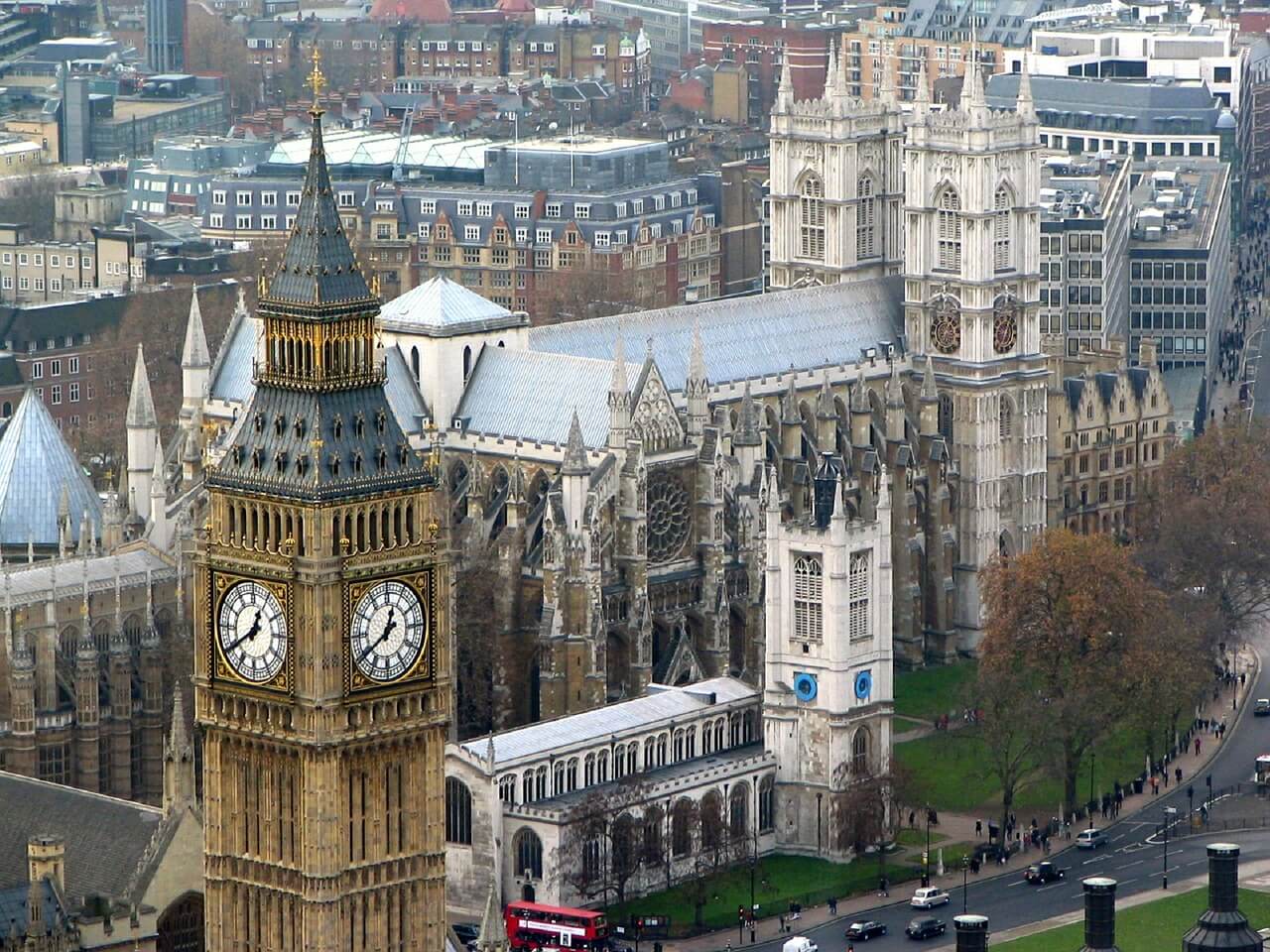
Big Ben in London (England) - clock tower
Where is located Big Ben?
Address of Big Ben is London, England
show on map
When was built Big Ben?
Built date of Big Ben is 1858 - completion of construction
V.1859 - starting the clock
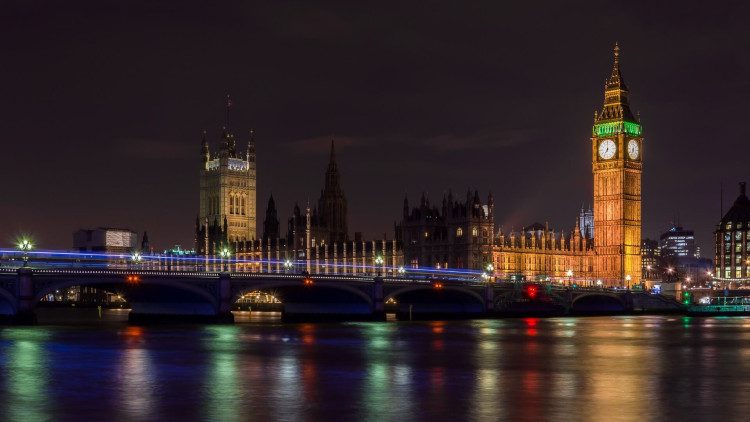
Facts, informations and history of Big Ben
Big Ben is actually the name of a 13 ton bell, inside the tower, not the tower itself.
Big Ben - the symbol of Great Britain, is one of the two towers forming the building of the British Parliament. The tower was built after, in 1834, the fire consumed part of the parliament.
The winner of the building design competition was Charles Barry. He left the Renaissance style and combined it with the neo-Gothic elements of Pugin.
The bell was cast in Whitechapel. It was the second giant bell because the first one showed a crack when trying to run.
The largest bell in the UK has four 7.5-meter discs, and tips 4.25 m long made, for weight reduction, as a thin-walled cast.
On July 11, 1859, Londoners could hear a sound of the bell for the first time.
The name Big Ben probably came from the name of Sir Benjamin Hall, the main work commissar in 1858, when the bell was hung. Some say the name comes from boxer Ben Caunt.
In 1949, the clock was delayed by 41 minutes, after a flock of birds sat on a pointer showing the minutes.
In 1962, the clock struck the New Year ten minutes too late, due to the large accumulation of snow on its tips.
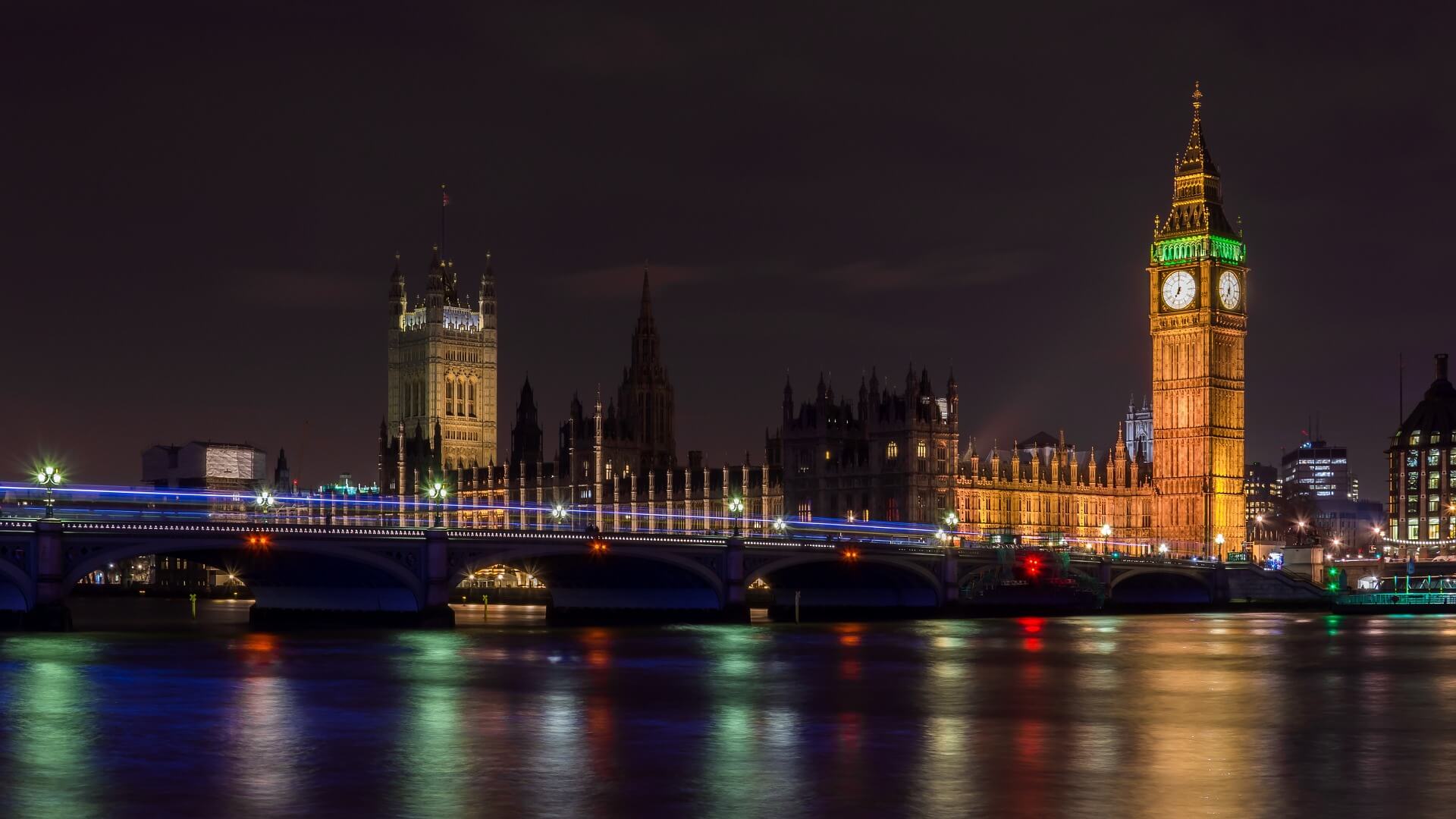
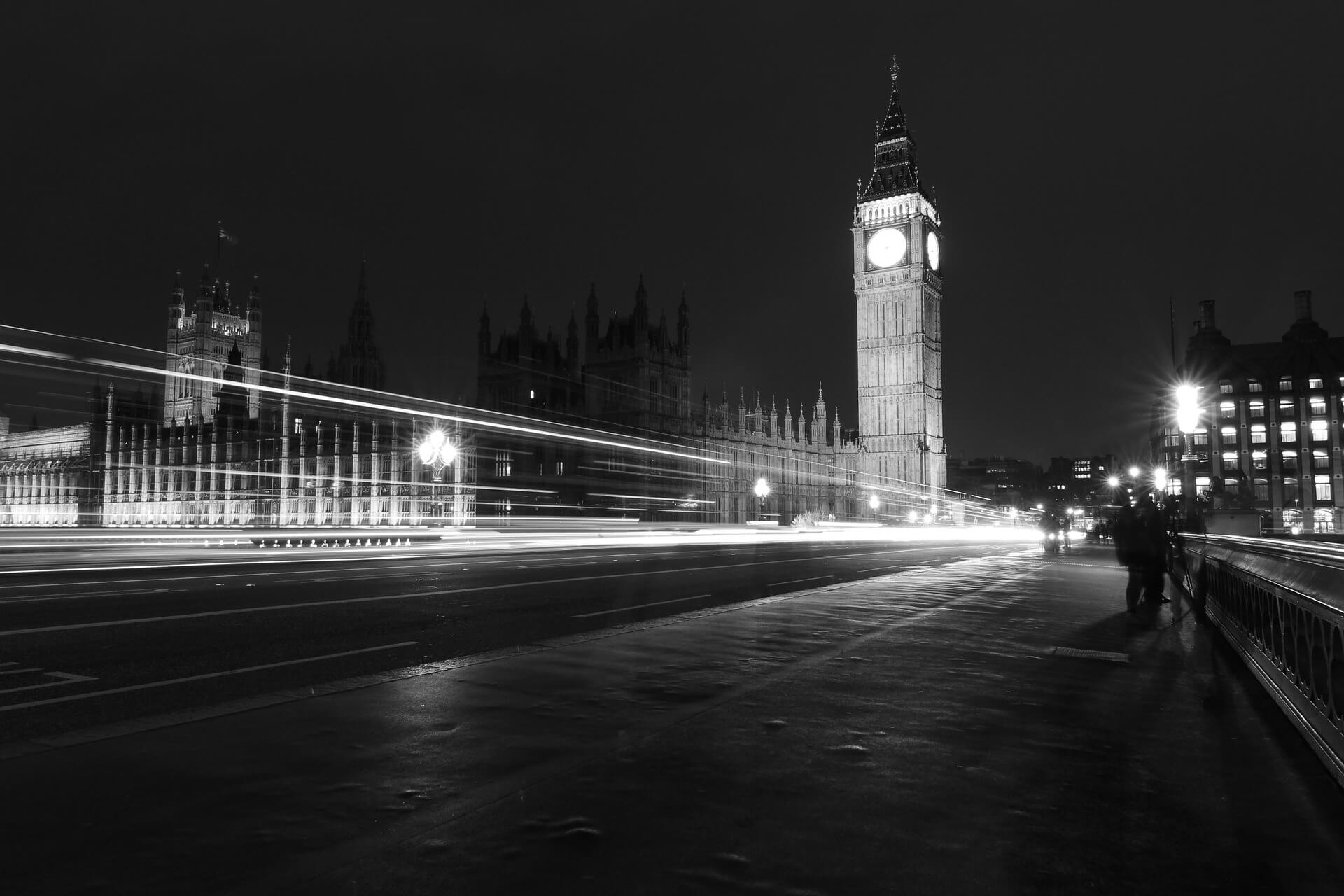
The tower of Saint Stephen shines with light in the sky, on nights when the parliament deliberates.
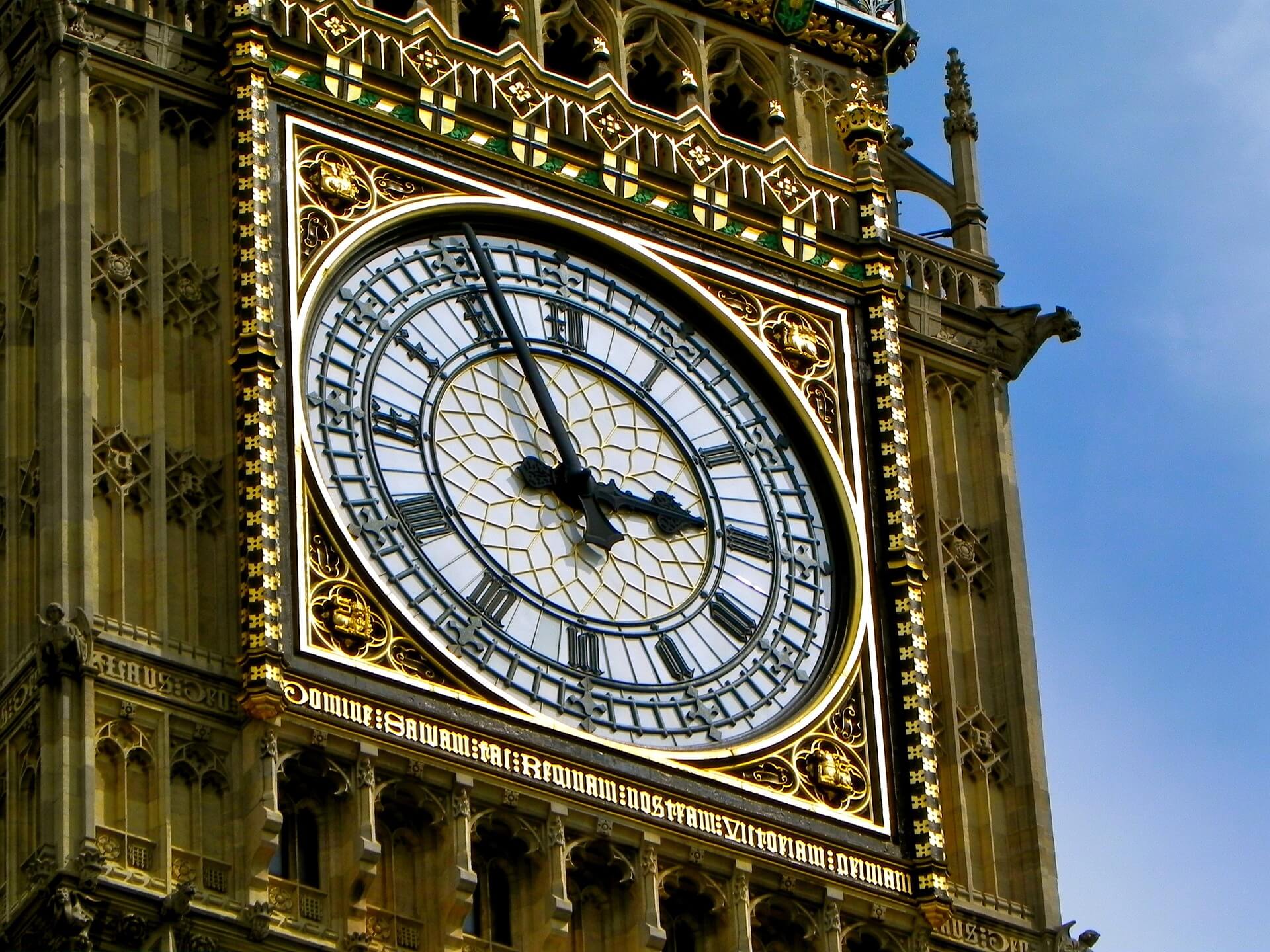
Since the time of launch, the clock gives an almost exact time, and every hour it strikes. Its low tones are broadcast on a BBC radio every day.
" If you have a bend, I have time " - Says Big Ben to the Leaning Tower
Architect of Big Ben
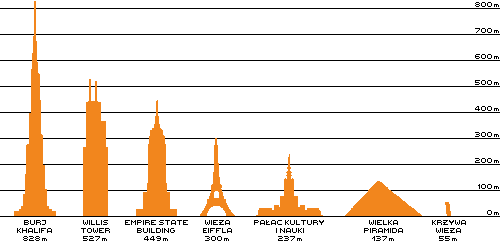
How many meters have Big Ben?
Height of Big Ben is 96 meters (316 feet)

Construction/building type
Building Big Ben is of type Clock tower
Architectural style
Architectural style of Big Ben is Renaissance, Neogotyk
The Renaissance is an architectural style that developed in Europe in the 15th and 16th centuries, characterised by a return to the classical forms and elements of ancient Greek and Roman architecture. The Renaissance was a reaction to the Gothic style that prevailed in Europe from the 12th to 15th centuries and was associated with churches and sacred buildings. Renaissance means 'rebirth' and the style is considered the precursor to modern architecture. ... czytaj więcej.
What material is the building made of?
Big Ben is made of the following materials: Cut stone
Other names
The building is also known by other common names or in the original language, i.e. Parliament Clock Tower, Saint Stephen's Tower
Is the building on the UNESCO World Heritage List?

The listing took place in the year 1987.
Details of the entry are available on the Unesco website at https://whc.unesco.org/en/list/426bis/
Official website
The official website of the building, where up-to-date information can be found, is http://www.parliament.uk/bigben


Photo gallery Add photo
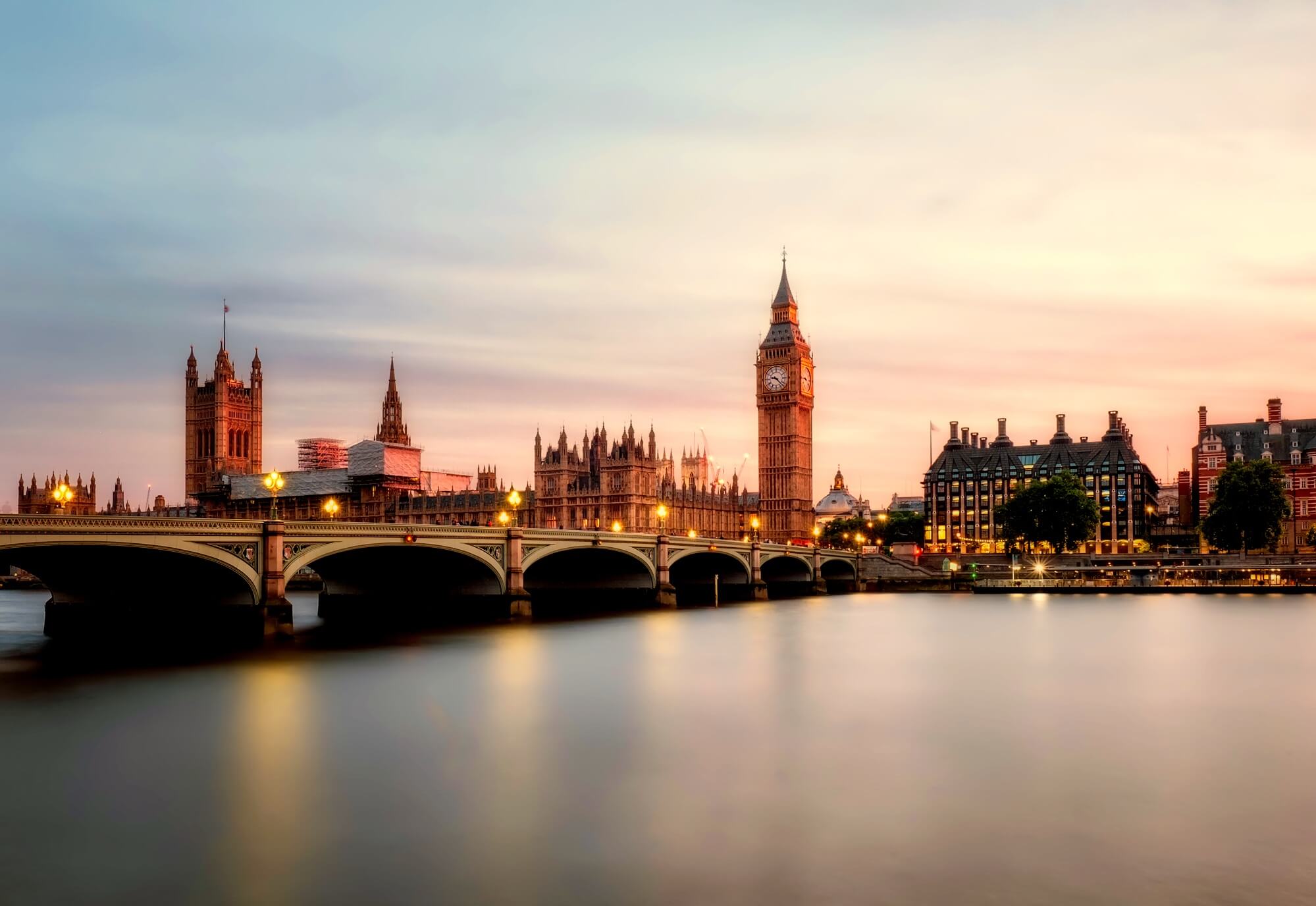



Location on map / How to get there

Author: Redakcja Budowle.pl
Pasjonat architektury, właściciel portalu Budowle.pl
Add date: 03/08/2005 Update date: 27/07/2021 Number of views : 232918





Comments to Big Ben (129) Average rating: 5 Add comment / Rate building
Based on 129 comments